
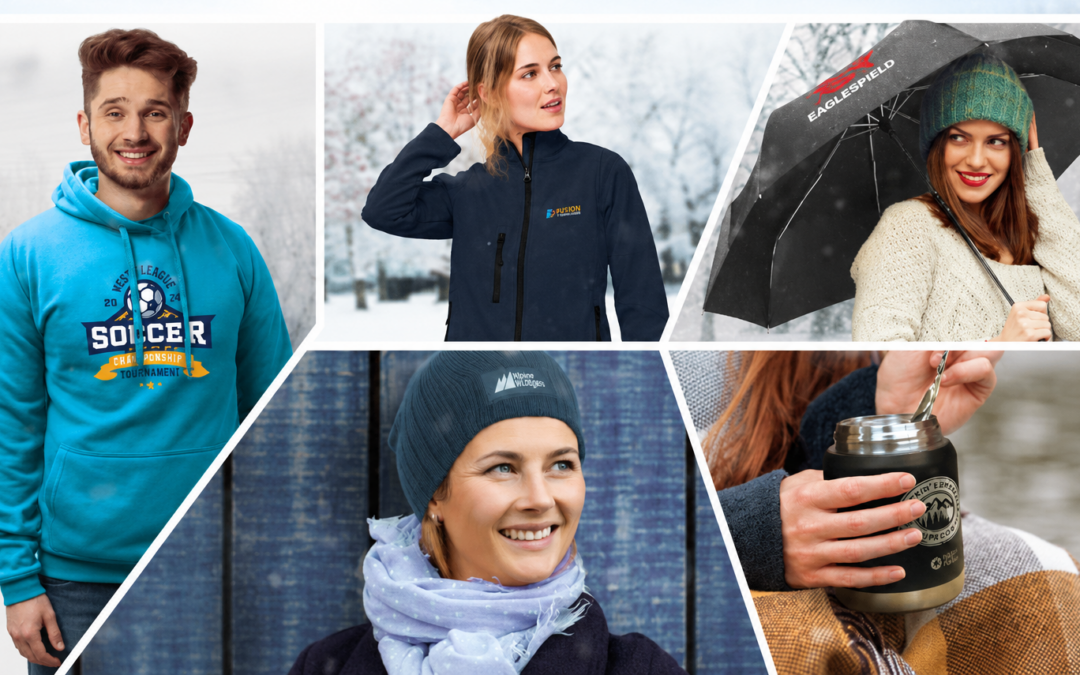
When winter rolls across Australia, promotional products shift from being simple giveaways to becoming everyday essentials people actually use. That’s where the real value kicks in because when something is useful, it doesn’t get tossed aside. It gets worn, carried, and seen repeatedly, turning your brand into part of someone’s daily routine without forcing it.
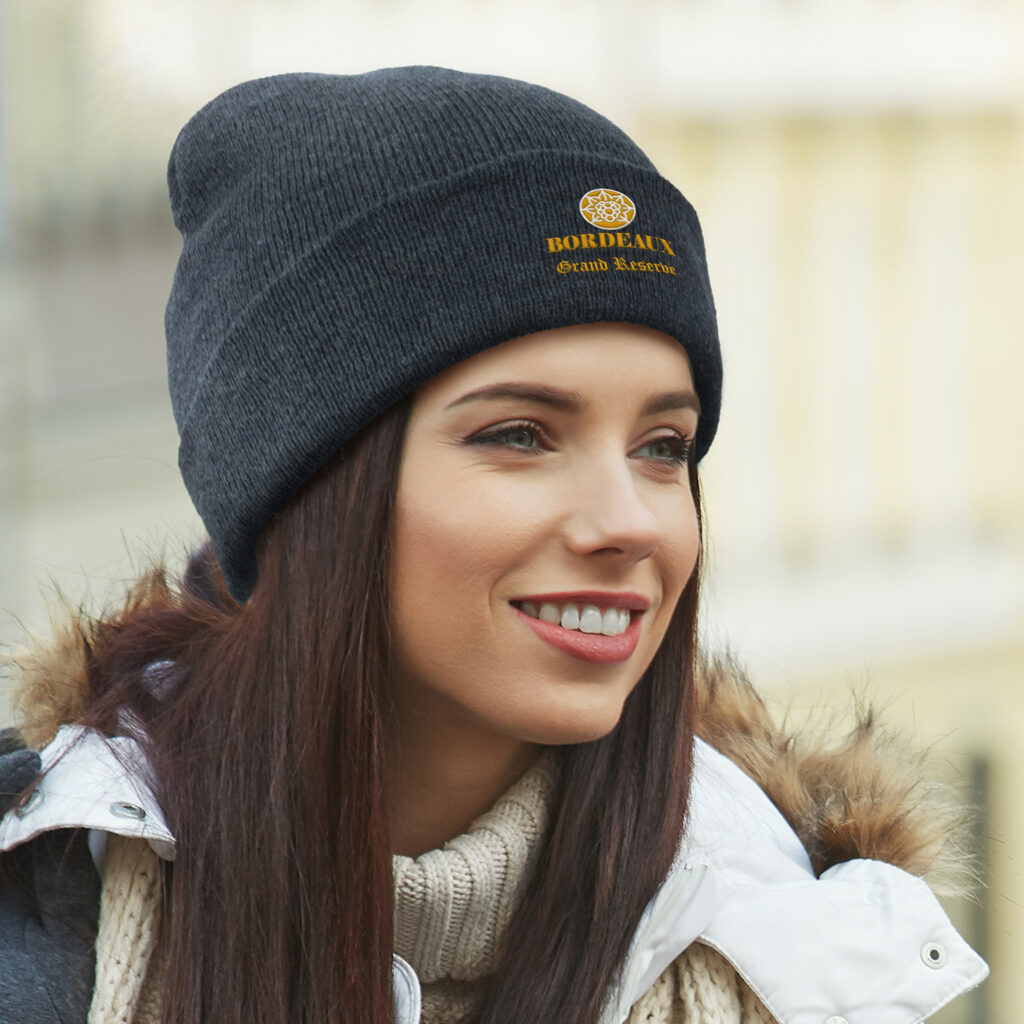
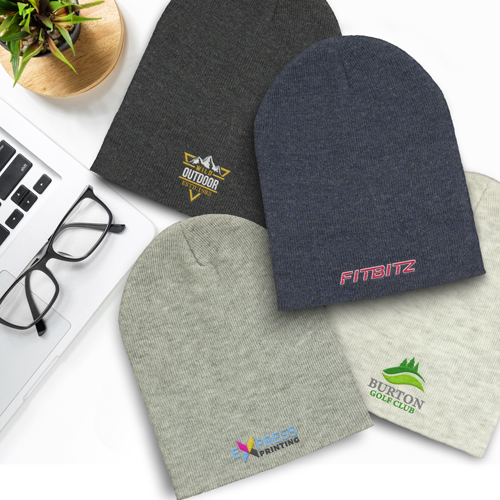
Right now, beanies are leading the pack. They’re simple, practical, and effortlessly visible. Whether it’s for staff uniforms, event merch, or corporate gifting, a well-made beanie has staying power. It doesn’t sit in storage, it ends up on heads all season long, quietly building brand exposure with every wear.
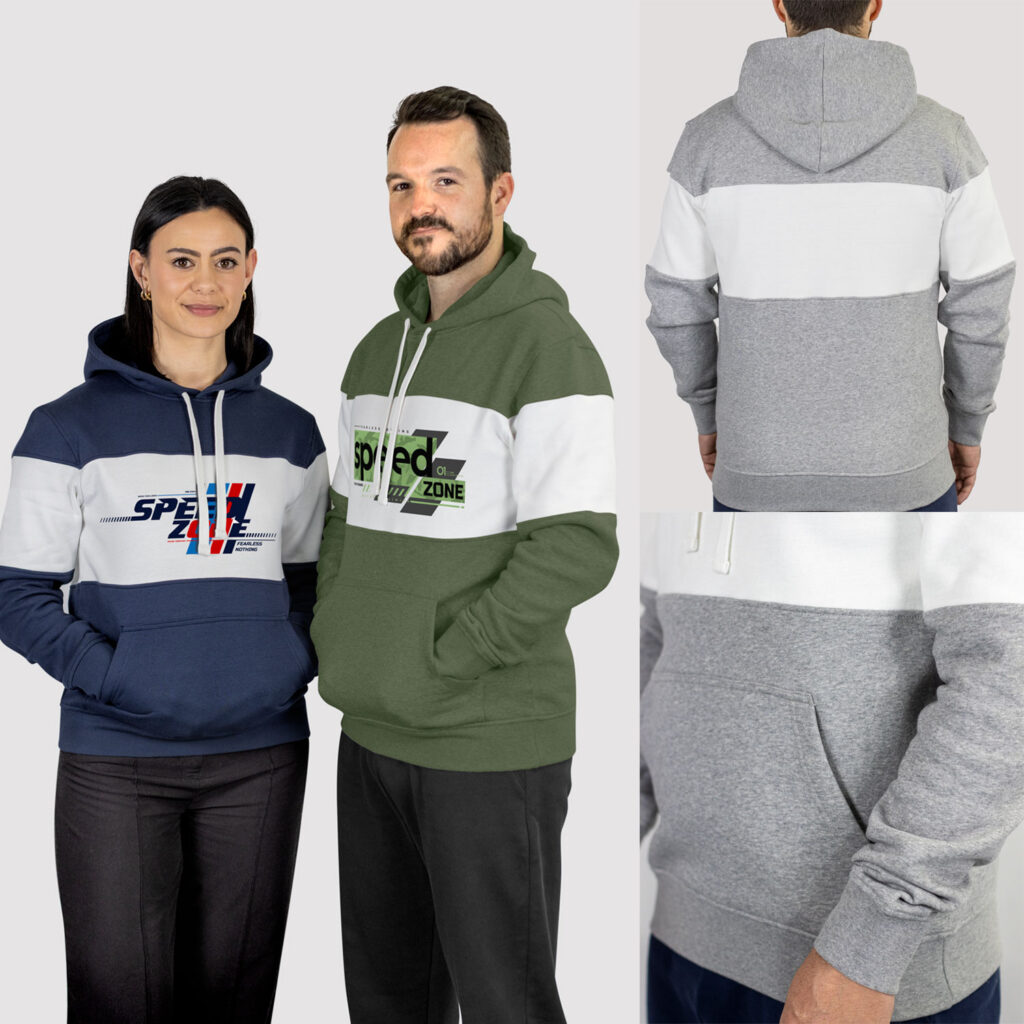
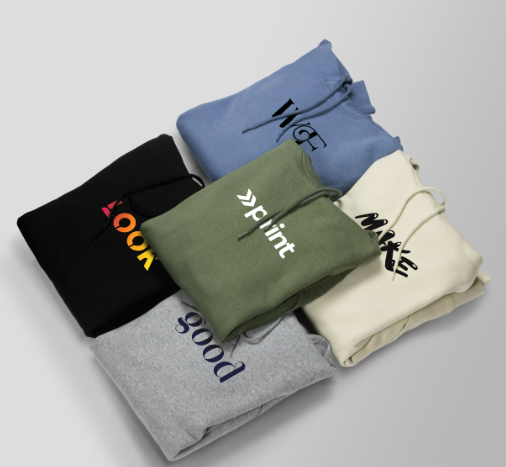
Hoodies and fleece apparel are also dominating winter campaigns. The shift here is clear: people don’t just want branded clothing; they want something they’d actually wear. That’s why hoodies have become one of the strongest promotional products in winter, they blend comfort, lifestyle, and branding in a way that feels natural, not forced.
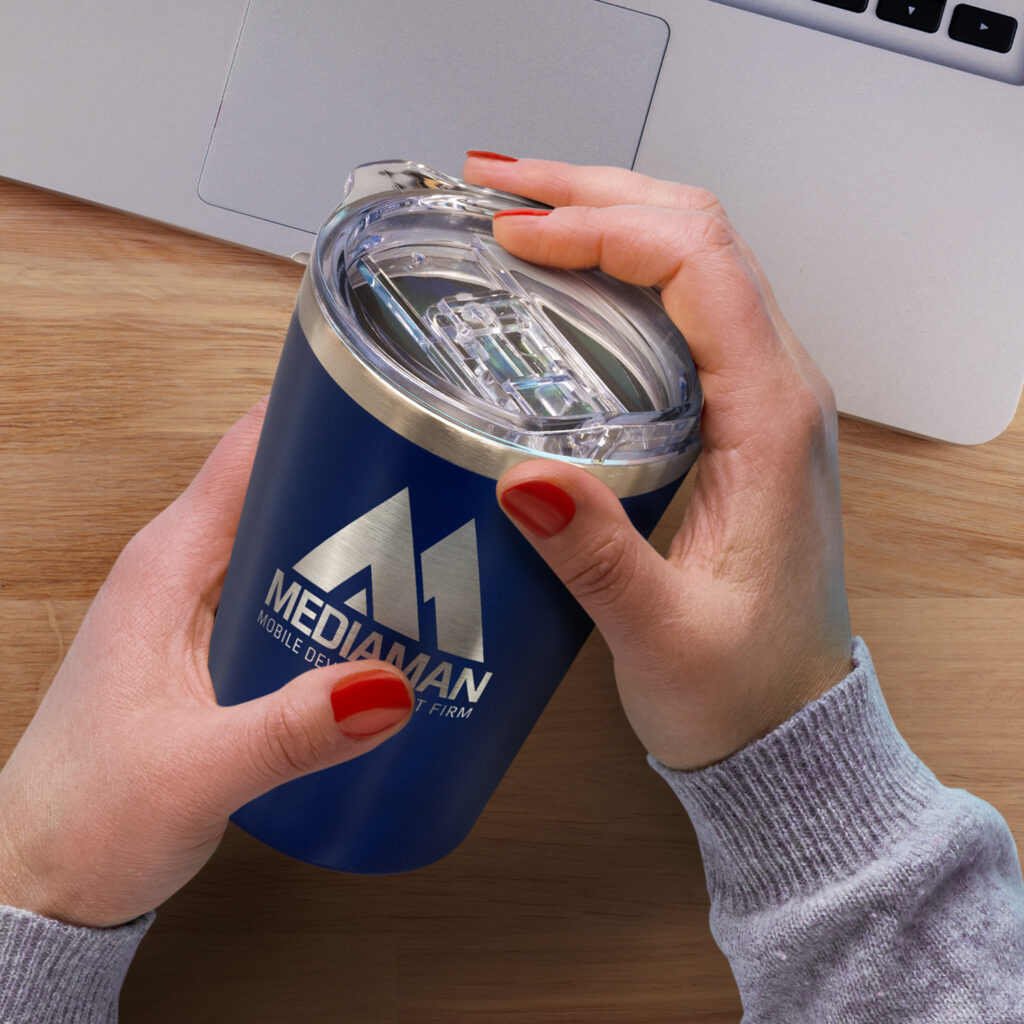
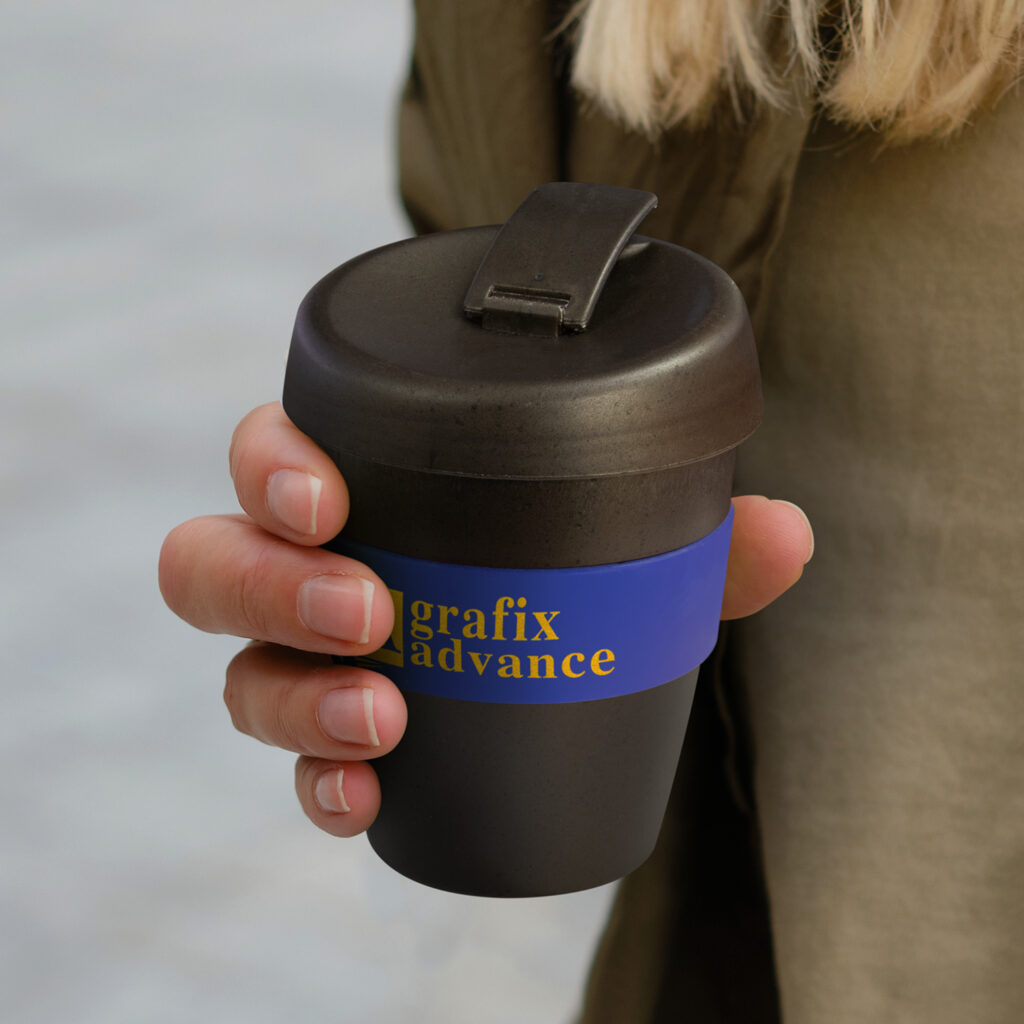
Drinkware continues to be a winter essential too. Cold mornings and hot drinks go hand in hand, and branded mugs or travel tumblers travel far beyond the office. From the morning commute to the café queue, your brand is getting exposure in places traditional advertising simply can’t reach.
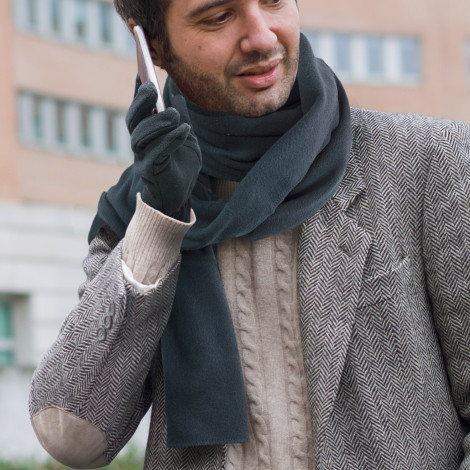
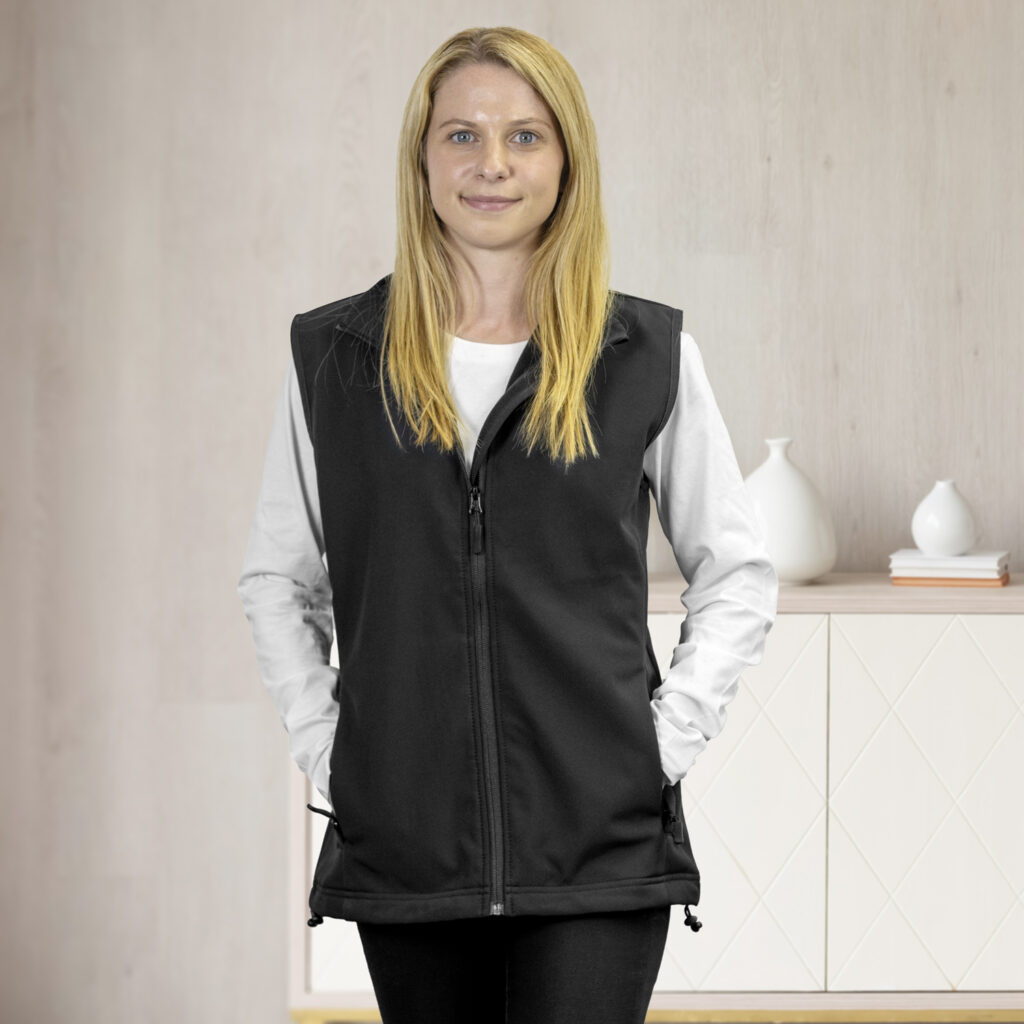
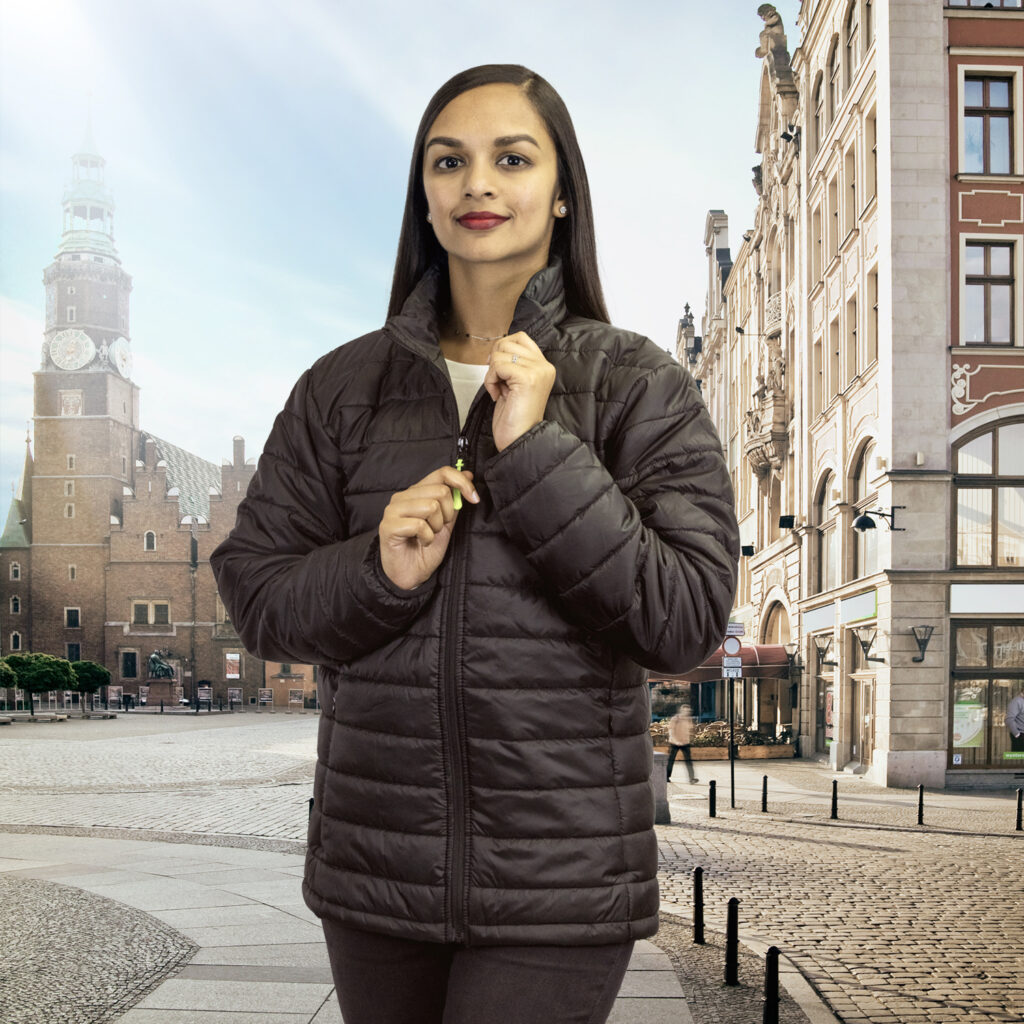
Smaller winter accessories like gloves, scarves, and ear warmers also play a big role. They might be compact, but they’re highly practical when the temperature drops, making them ideal for events, outdoor teams, and community campaigns where usefulness matters most. We’re also seeing a rise in curated winter packs, bundled sets that combine practical items into something more thoughtful and premium. These are especially popular for corporate gifting and staff appreciation because they feel considered rather than transactional. And of course, outerwear remains the heavyweight. Jackets, puffers, and fleece layers turn your branding into something that’s seen everywhere, from worksites to weekend errands. It’s long-term visibility at its best.
The common thread across all of these? Relevance. Winter merch works because people actually use it.
That’s where Quickmerch comes in. Instead of guessing what will work, we help you cut through the noise and choose the right winter promotional products for your brand, audience, and budget. Whether it’s selecting the right apparel for your team, building a standout corporate gift pack, or figuring out the best decoration method for maximum impact, we make it simple to get it right the first time. No overthinking, no wasted spend, just practical, high-impact merch that actually gets used.
If you’re planning your winter campaigns, now’s the time to get ahead. The best branded merch isn’t just about looking good — it’s about being worn, used, and remembered all season long.
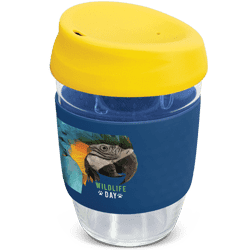 This production method is a CMYK+W digital branding process designed specifically for silicone surfaces.
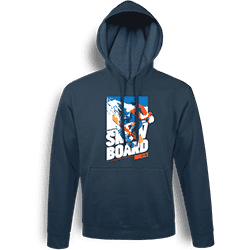 Colourflex transfers are a CMYK+W digital print process, used for branding apparel and fabrics.
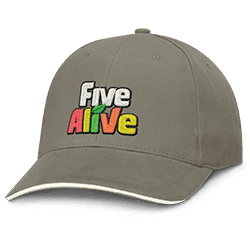 Embroidery is an excellent way of branding bags, apparel, and other textile products. It offers higher perceived value and a depth of branding quality which other processes cannot match. Embroidery uses rayon thread which is stitched into the product and has a slightly raised effect.
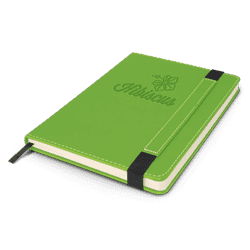 Commonly referred to as ‘Blind’ debossing, a heated custom metal plate is pressed firmly onto the product leaving an impression of the artwork. Thermo debossing is also available on certain products, using additional heat to create a unique and eye-catching two-tone finish.
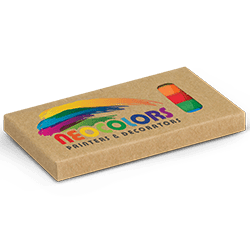 Direct digital printing involves the transfer of ink directly from the print heads of an inkjet machine to the product and can be used to produce both full colour and closely matched spot colour branding on flat or slightly curved surfaces.
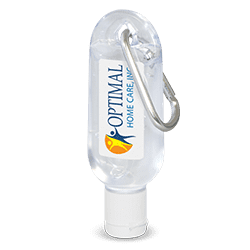 Digital adhesive labels are used to brand products that cannot be branded with any other method. They are printed with a digital printing press and applied to the product.
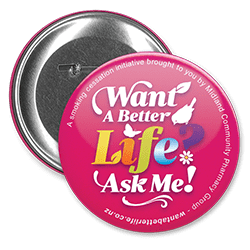 This production method is used for printing media such as paper, vinyl and magnetic material used in the manufacture of labels, badges, and fridge magnets etc. This printing process uses CMYK values.
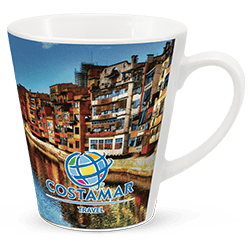 Dye sublimation print is used for branding products that have a special coating on them, or fabrics suitable for the sublimation process. A transfer is produced by printing sublimation ink onto transfer paper and then heat pressing it onto the product.
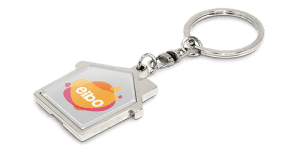 This CMYK branding process is produced by printing artwork onto a vinyl material with strong adhesive on the reverse. The branded area is then coated with a crystal-clear resin. Once dry, the finished decal is applied to the product and the adhesive forms a permanent bond.
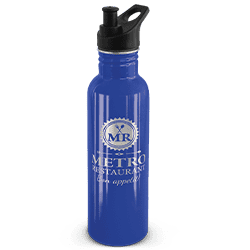 Laser engraving is a permanent branding process that engraves artwork into the surface of the product using a laser. Different materials produce different engraving finishes, to avoid uncertainty pre-production samples are recommended.
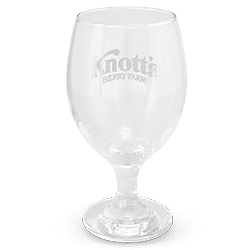 Imitation etch is a special pad printing ink used for producing an etch-like effect on glass products.
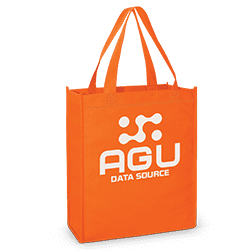 Flatbed Screen Printing is achieved by forcing ink through a fine mesh screen with a squeegee onto the product and is ideal for branding flat objects.
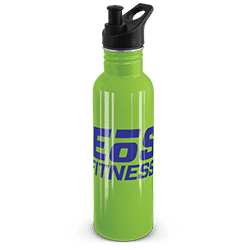 Rotary Screen Printing is achieved by forcing ink through a fine mesh screen with a squeegee onto the product and is ideal for cylindrical objects.
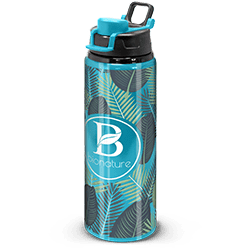 Direct to product rotary digital printing involves the transfer of UV ink directly from inkjet print heads and can be used to produce detailed artwork using both closely matched spot colours and full colour branding.
 Pad printing uses a silicone pad to transfer an image to a product from a laser etched printing plate. It is one of the most popular and affordable ways of branding promotional products due to its ability to reproduce images on uneven or curved products and print multiple colours in a single pass.