
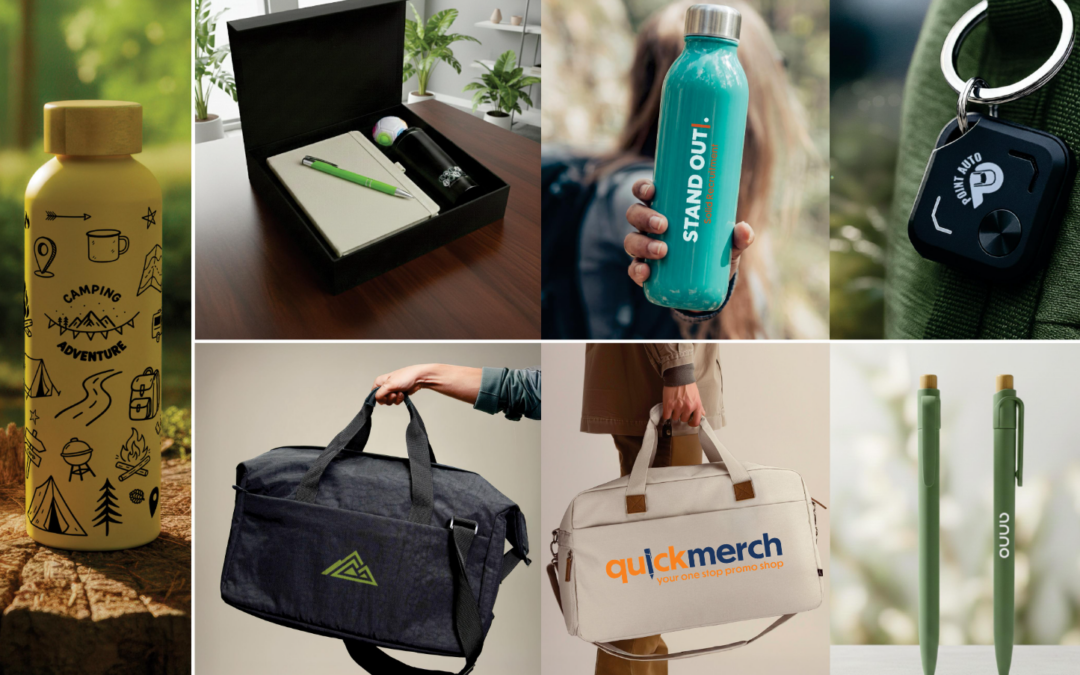
You know the feeling.
The event was a hit.
The room was buzzing.
The selfies were flying.
The LinkedIn posts were rolling in.
Then morning comes.
The banners are down. The coffee’s kicked in. The hype has settled. And somewhere across the country, your attendees are doing a quiet little audit of what they took home.
That’s the real test.
The Morning-After Moment
Events are built on energy. Music pumping. Big ideas. Great chats. Strong coffee. But once the adrenaline fades, what’s left?
Your merch.
It’s the one physical reminder of the experience. The one thing that sticks around after the applause dies down. So the question is simple: Is it getting kept… or quietly binned?
The Bin Test vs The Keep Test
We’ve all done it. Random plastic promo item? Straight to the bin. Flimsy tote with a fading print? Drawer. Maybe. Generic pen that barely writes? Gone.
But when something feels premium? Useful? Thoughtful?
It stays.
A quality notebook that actually handles daily meetings. A laptop sleeve that fits properly and looks sharp. A hoodie that’s comfy enough to wear on the school run or to the airport. That’s merch that passes the morning-after test.
Good Merch Builds Quiet Credibility
In the world of branded merchandise, practicality matters. If it’s useful, it gets used. If its quality, people notice. If it feels cheap, that’s noticed too. Merch is a reflection of your brand.
Cheap feels rushed.
Thoughtful feels professional.
Premium feels credible.
And credibility builds trust.
Where Quickmerch Steps In
This is exactly where Quickmerch makes the difference. We don’t just supply products — we work with you to create merch that actually earns its place. From selecting quality items that suit your audience, to ensuring the branding feels sharp and considered, to handling kitting and delivery so everything lands seamlessly.
Whether it’s welcome kits, conference giveaways, leadership programs or corporate events, we focus on merch that:
- Reflects your brand properly
- Feels premium in hand
- Gets used long after the event
- Leaves the right impression
Because good merch shouldn’t feel like an afterthought. It should feel intentional.
It’s More Than a Freebie
The best merch isn’t just branded — it’s considered.
It connects to the event.
It suits the audience.
It fits into real life.
That water bottle becomes part of someone’s gym routine. That pen signs real contracts. That notebook captures real ideas sparked at your event.
Suddenly, your brand isn’t just remembered. It’s part of their everyday.
The Real ROI of Event Merch
ROI isn’t measured in how many bags you handed out.
It’s measured in:
- How long the item lasts
- How often it’s used
- How many eyes see it after the event
- How it makes people feel about your brand
Because when the confetti’s gone and the hashtags slow down, good merch keeps working.
Quietly. Consistently. Powerfully.
Before Your Next Event…
Ask yourself:
Would I keep this?
Would I use this next week?
Does this reflect our brand properly?
If the answer’s yes — you’re on the right track.
Because great events create buzz.
But great merch?
It creates staying power.
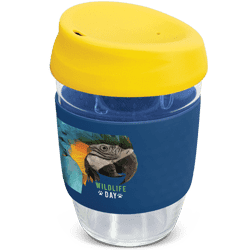 This production method is a CMYK+W digital branding process designed specifically for silicone surfaces.
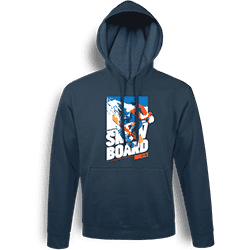 Colourflex transfers are a CMYK+W digital print process, used for branding apparel and fabrics.
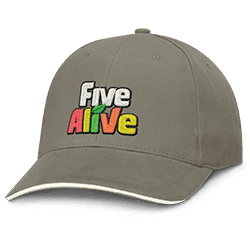 Embroidery is an excellent way of branding bags, apparel, and other textile products. It offers higher perceived value and a depth of branding quality which other processes cannot match. Embroidery uses rayon thread which is stitched into the product and has a slightly raised effect.
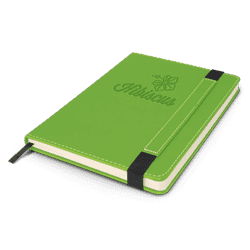 Commonly referred to as ‘Blind’ debossing, a heated custom metal plate is pressed firmly onto the product leaving an impression of the artwork. Thermo debossing is also available on certain products, using additional heat to create a unique and eye-catching two-tone finish.
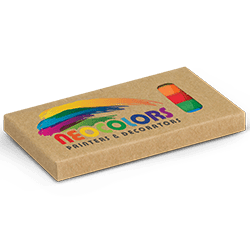 Direct digital printing involves the transfer of ink directly from the print heads of an inkjet machine to the product and can be used to produce both full colour and closely matched spot colour branding on flat or slightly curved surfaces.
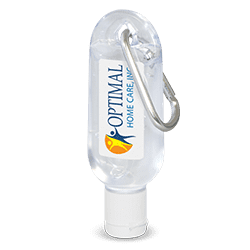 Digital adhesive labels are used to brand products that cannot be branded with any other method. They are printed with a digital printing press and applied to the product.
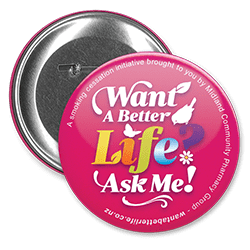 This production method is used for printing media such as paper, vinyl and magnetic material used in the manufacture of labels, badges, and fridge magnets etc. This printing process uses CMYK values.
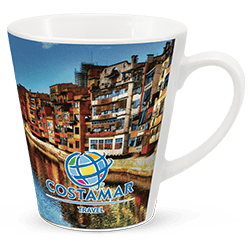 Dye sublimation print is used for branding products that have a special coating on them, or fabrics suitable for the sublimation process. A transfer is produced by printing sublimation ink onto transfer paper and then heat pressing it onto the product.
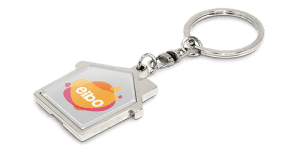 This CMYK branding process is produced by printing artwork onto a vinyl material with strong adhesive on the reverse. The branded area is then coated with a crystal-clear resin. Once dry, the finished decal is applied to the product and the adhesive forms a permanent bond.
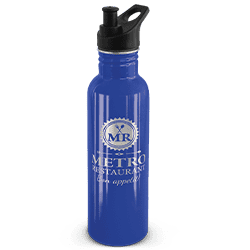 Laser engraving is a permanent branding process that engraves artwork into the surface of the product using a laser. Different materials produce different engraving finishes, to avoid uncertainty pre-production samples are recommended.
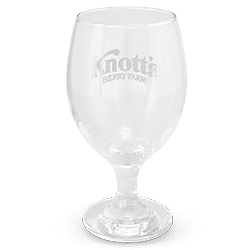 Imitation etch is a special pad printing ink used for producing an etch-like effect on glass products.
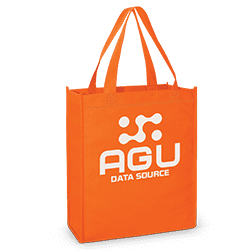 Flatbed Screen Printing is achieved by forcing ink through a fine mesh screen with a squeegee onto the product and is ideal for branding flat objects.
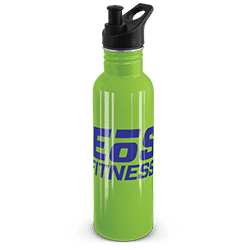 Rotary Screen Printing is achieved by forcing ink through a fine mesh screen with a squeegee onto the product and is ideal for cylindrical objects.
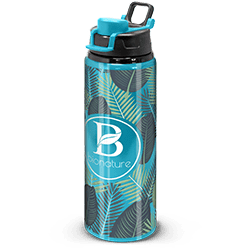 Direct to product rotary digital printing involves the transfer of UV ink directly from inkjet print heads and can be used to produce detailed artwork using both closely matched spot colours and full colour branding.
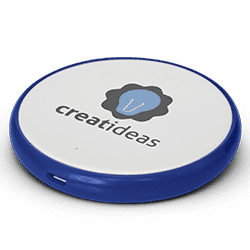 Pad printing uses a silicone pad to transfer an image to a product from a laser etched printing plate. It is one of the most popular and affordable ways of branding promotional products due to its ability to reproduce images on uneven or curved products and print multiple colours in a single pass.