
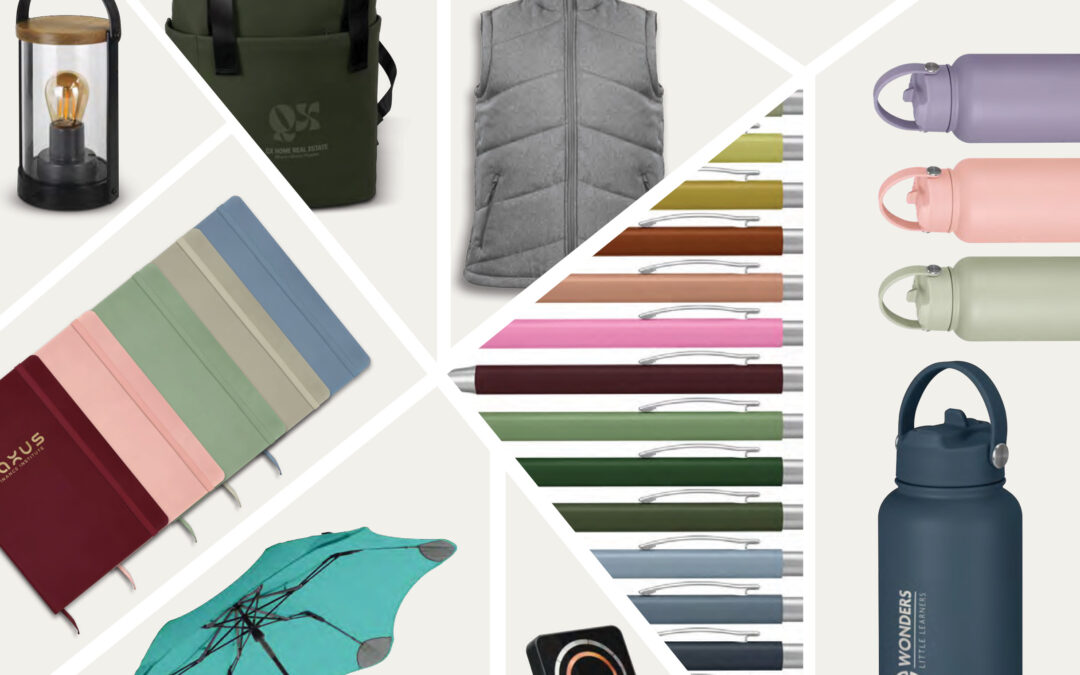
Let’s be honest—people receive a lot of promotional products. Some get used every day… and some end up forgotten in a drawer after a week. The difference? Usefulness, design, and how well it fits into someone’s lifestyle.
At Quickmerch, we’ve worked with brands across different industries, and one thing is clear: the most effective merch isn’t just about putting your logo on something—it’s about creating something people actually want to use.
So, what really works?
We’ve put together these items to help strengthen your branding—take a look.
CUSTOM APPAREL (T-SHIRTS, HOODIES, CAPS)
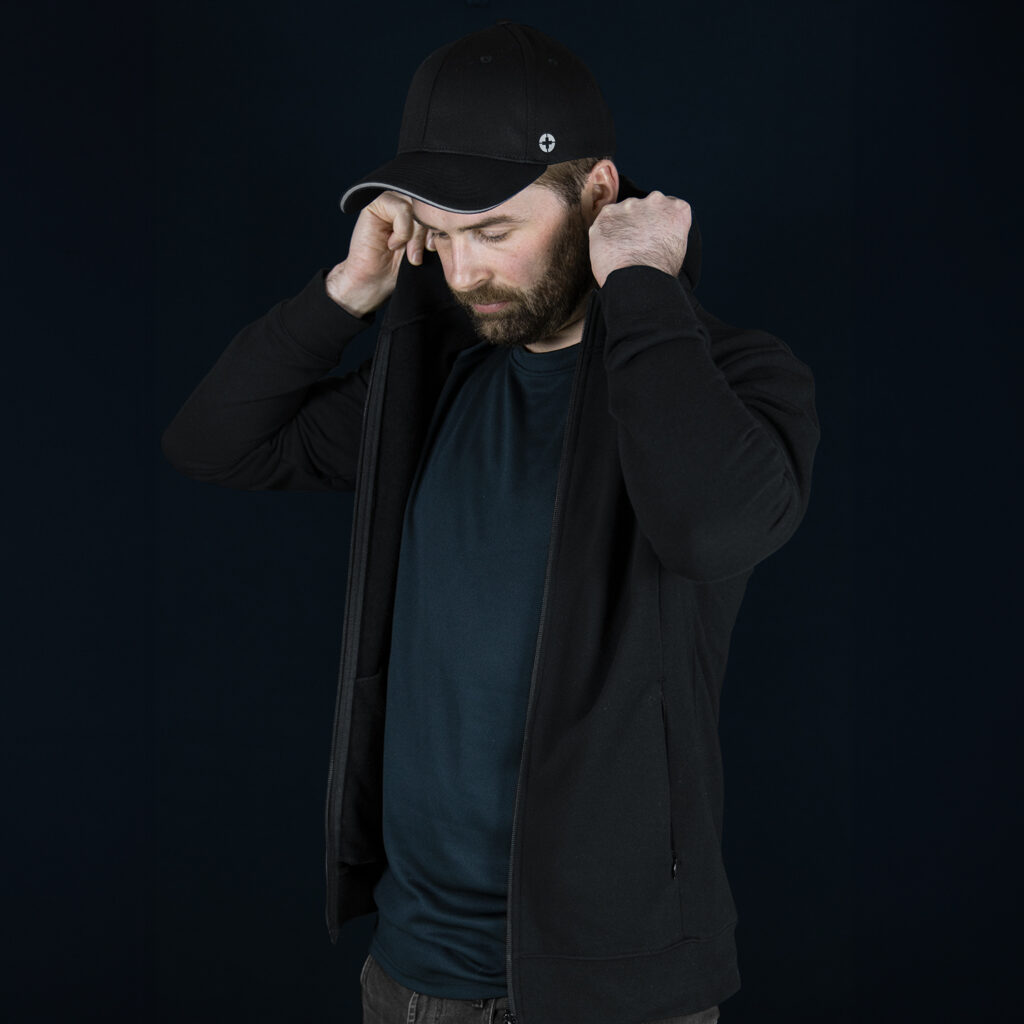
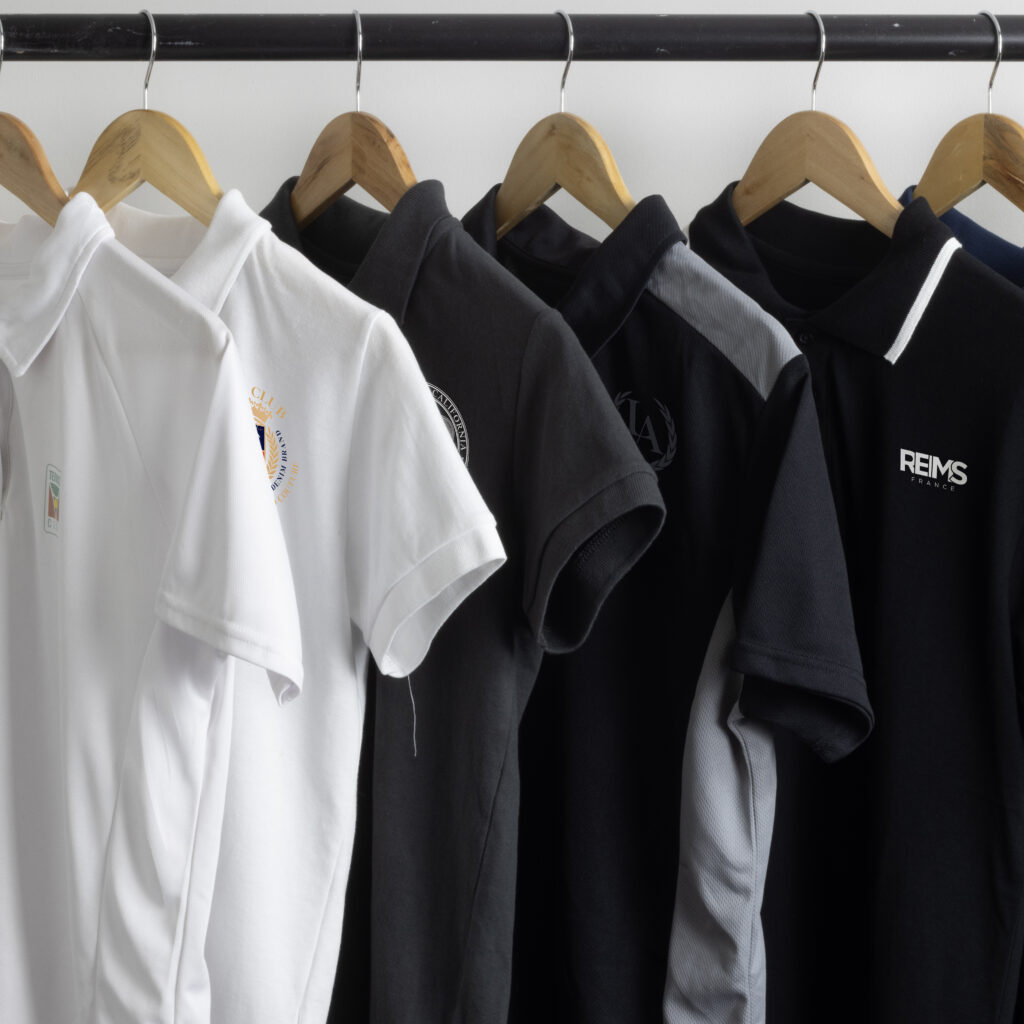

This is easily one of the most powerful forms of promotional merch. Why? Because when someone wears your brand, they’re not just using it—they’re representing it.
But here’s the catch: people won’t wear something that feels too “advertisy.” The secret is good design first, branding second. Think minimalist logos, trendy styles, and comfortable fabrics.
👉 Keep in mind: The best-performing apparel feels like something you’d buy in a store—not something you got for free. When done right, one shirt can generate hundreds of impressions.
Tote Bags & Eco Bags
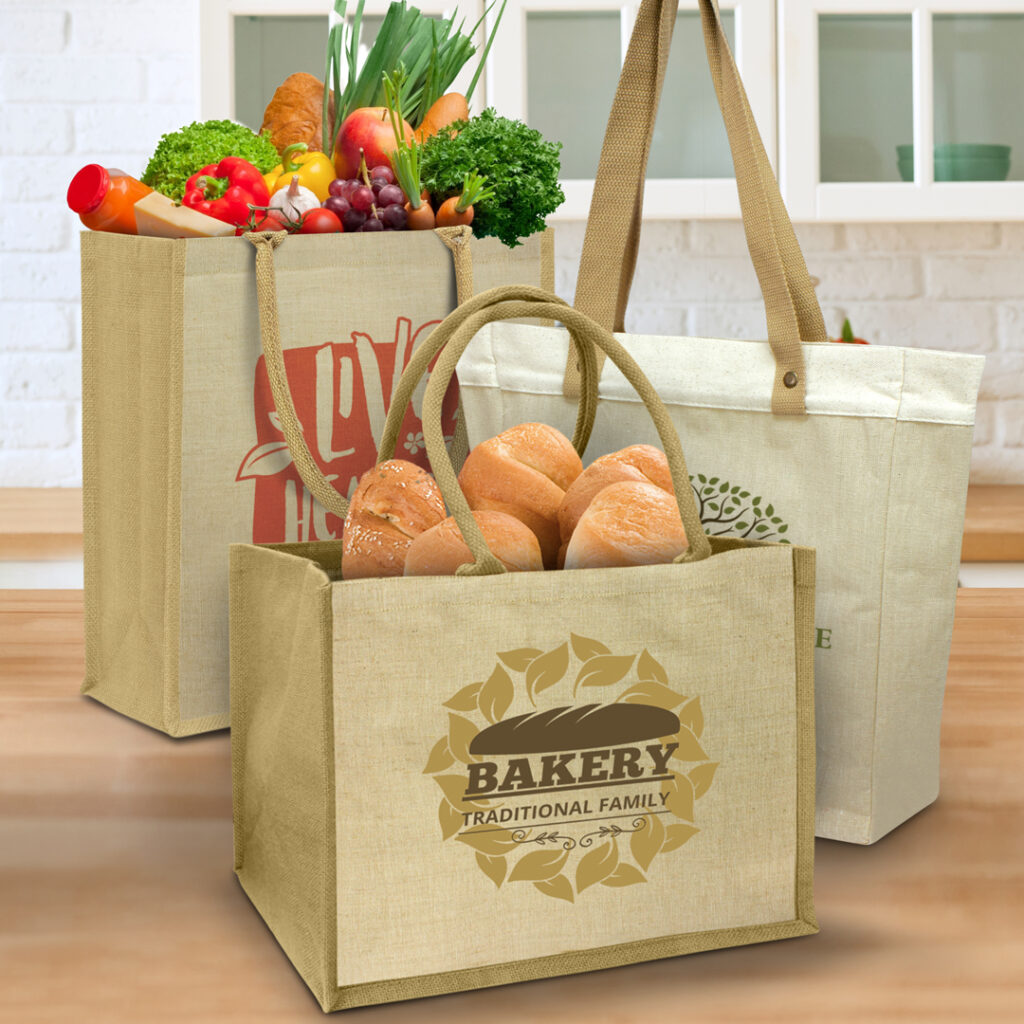
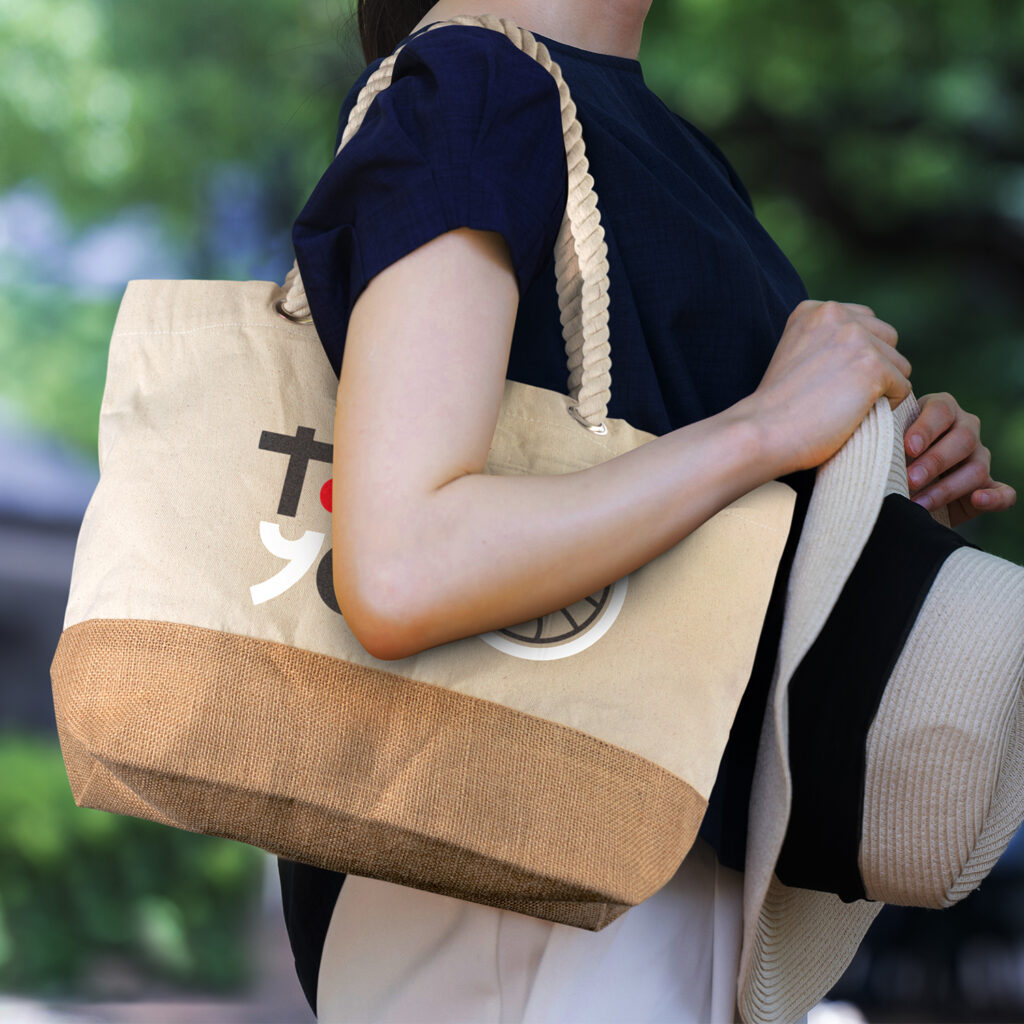
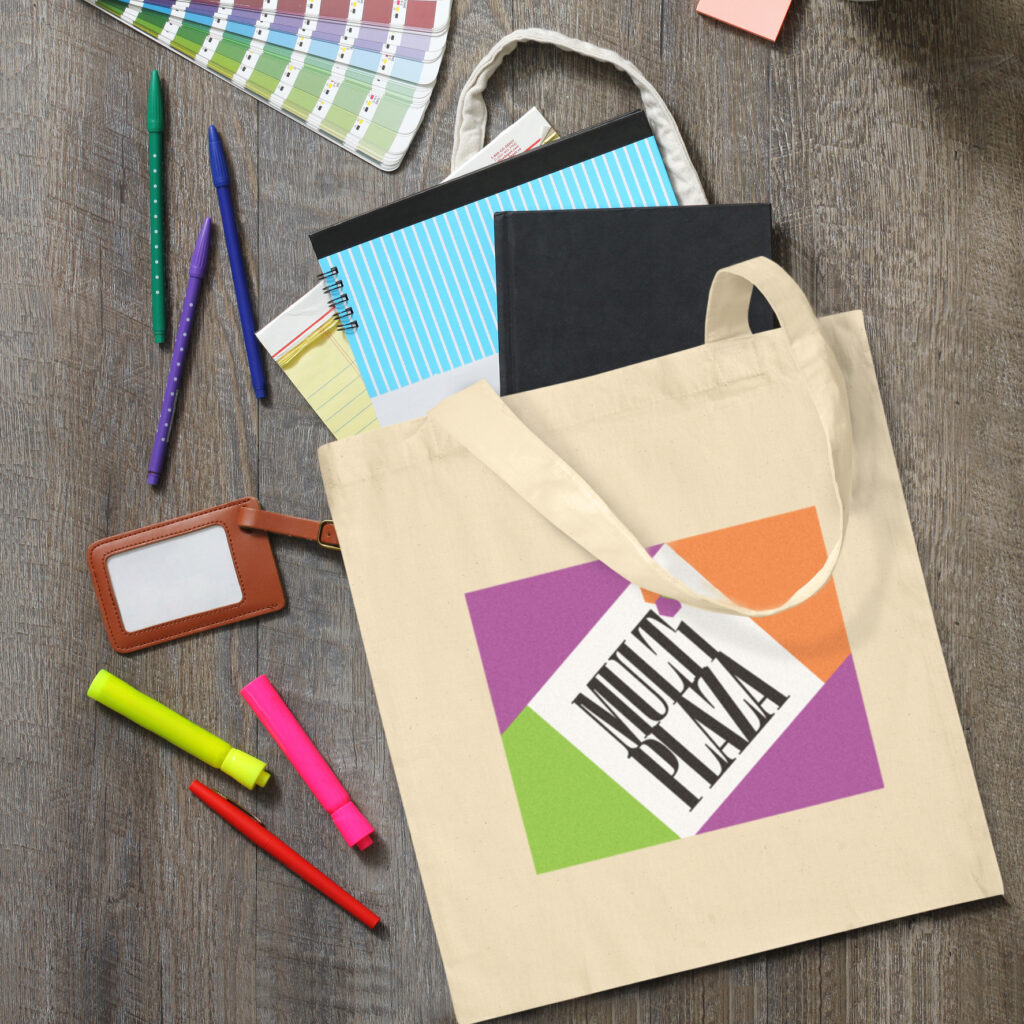
Whether it’s for groceries, work, or quick errands, Tote bags have become a daily essential. That means your brand travels everywhere with them.
What makes this extra effective today is the eco-friendly angle. People prefer reusable options, so your brand gets associated with sustainability too.
A well-designed tote can become someone’s “go-to bag.” The more versatile and durable it is, the more exposure your brand gets over time.
Drinkware (Tumblers, Mugs, Water Bottles)
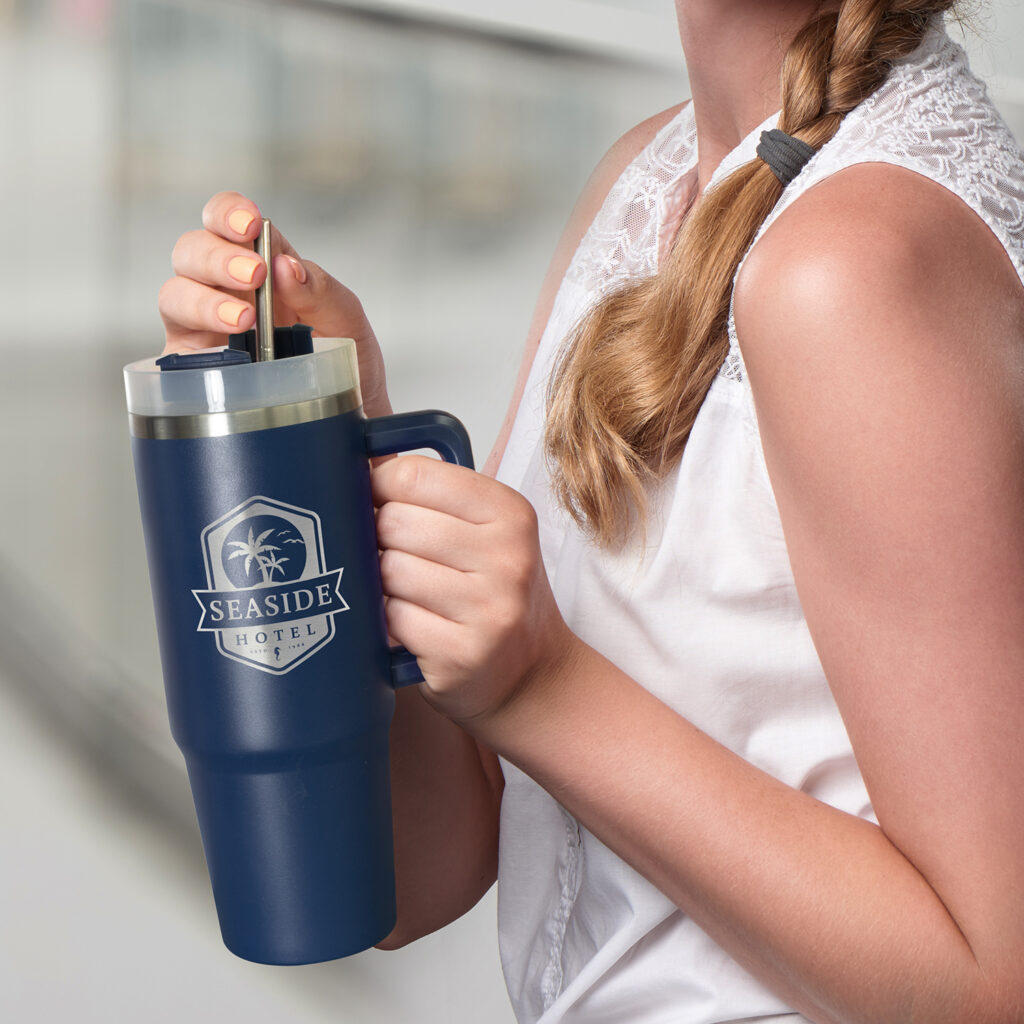
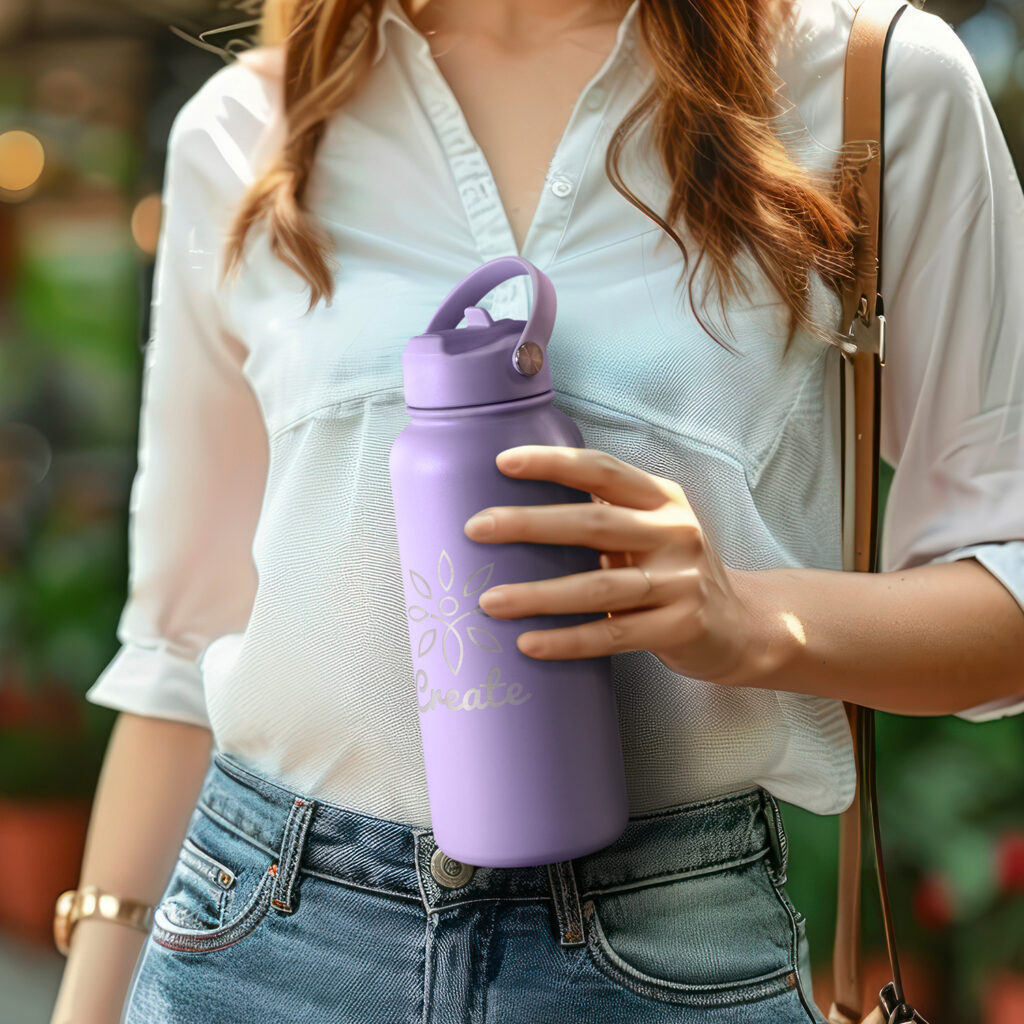
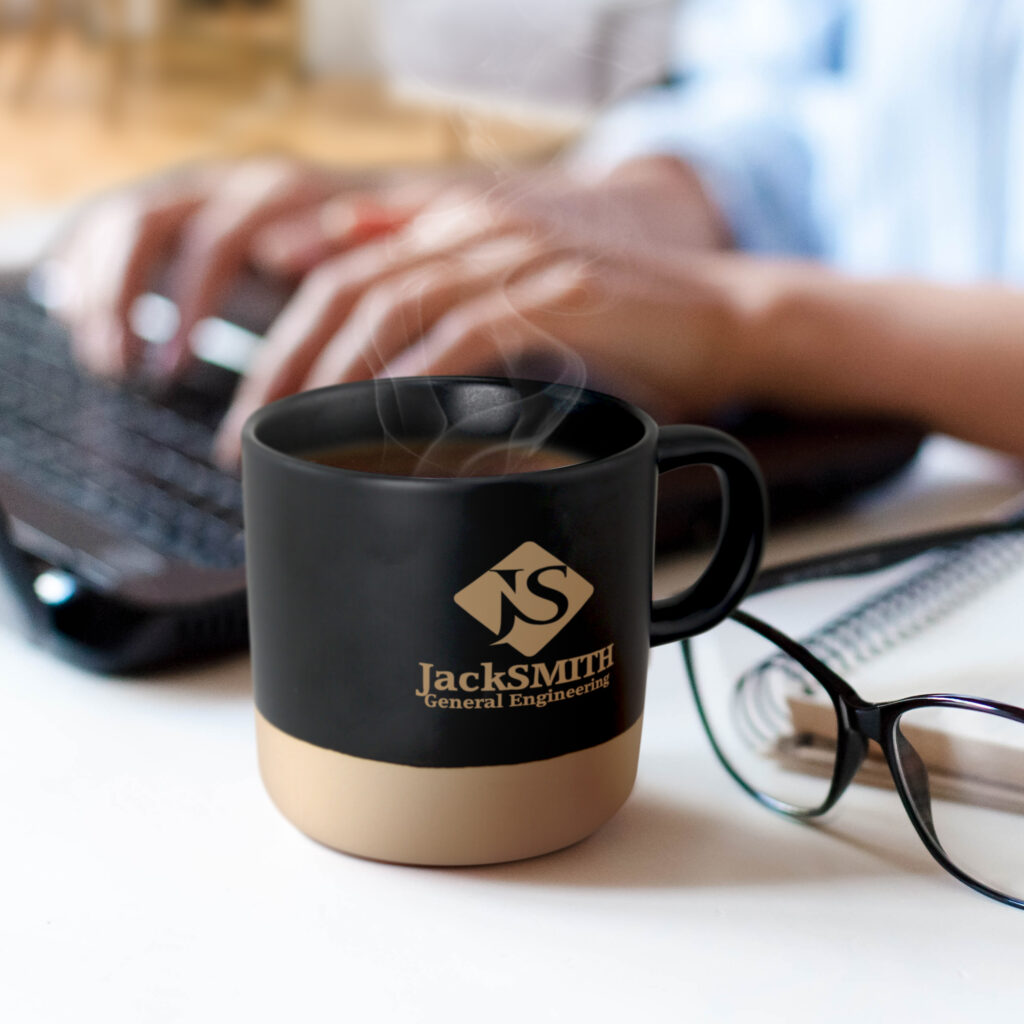
Think about how often people drink coffee or water throughout the day. Now imagine your brand being part of that routine.
Drinkware feels more premium compared to other giveaways, which makes it perfect for corporate gifts or client appreciation. Plus, it’s something people tend to keep for a long time.
👉Take note: Insulated tumblers and aesthetic designs perform best—they’re not just functional, they’re “Instagram-worthy,” which adds even more visibility.
Tech Accessories (Power Banks, USBs, Phone Holders)
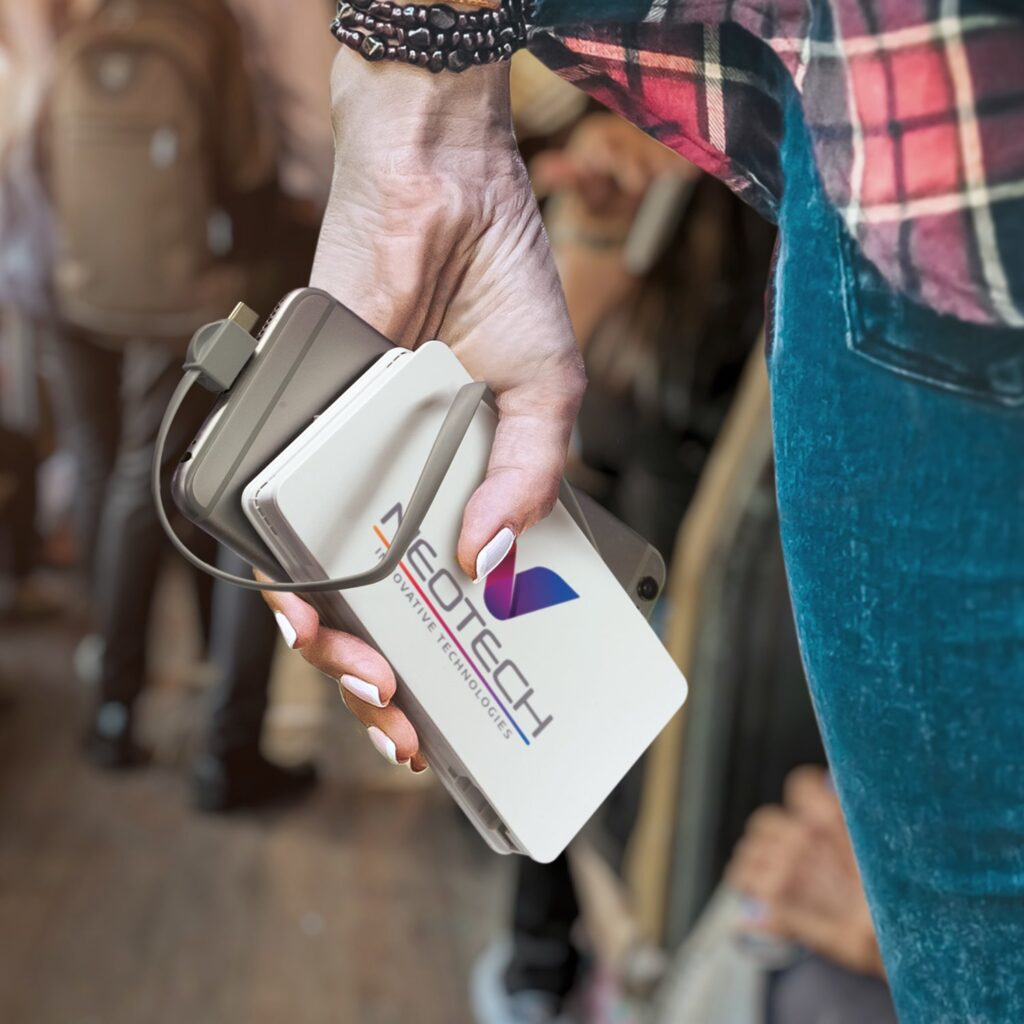
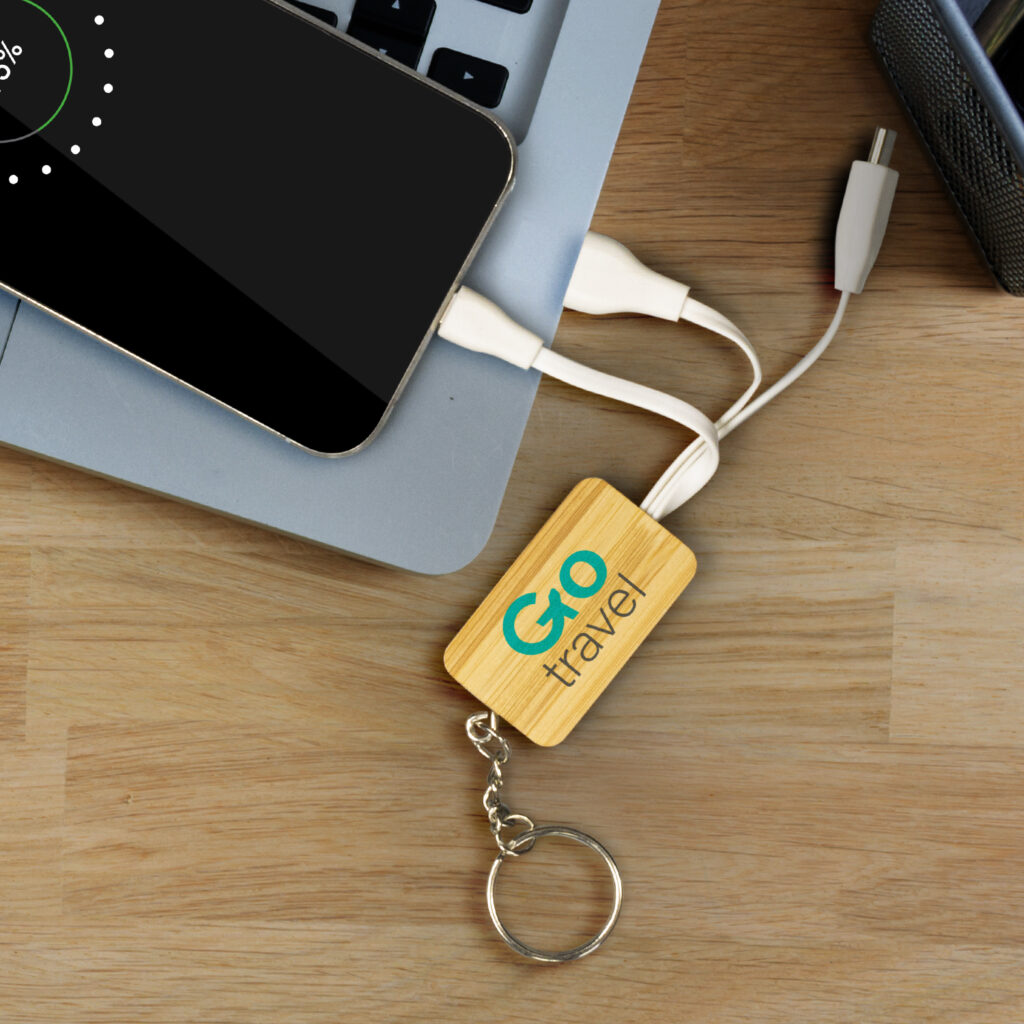
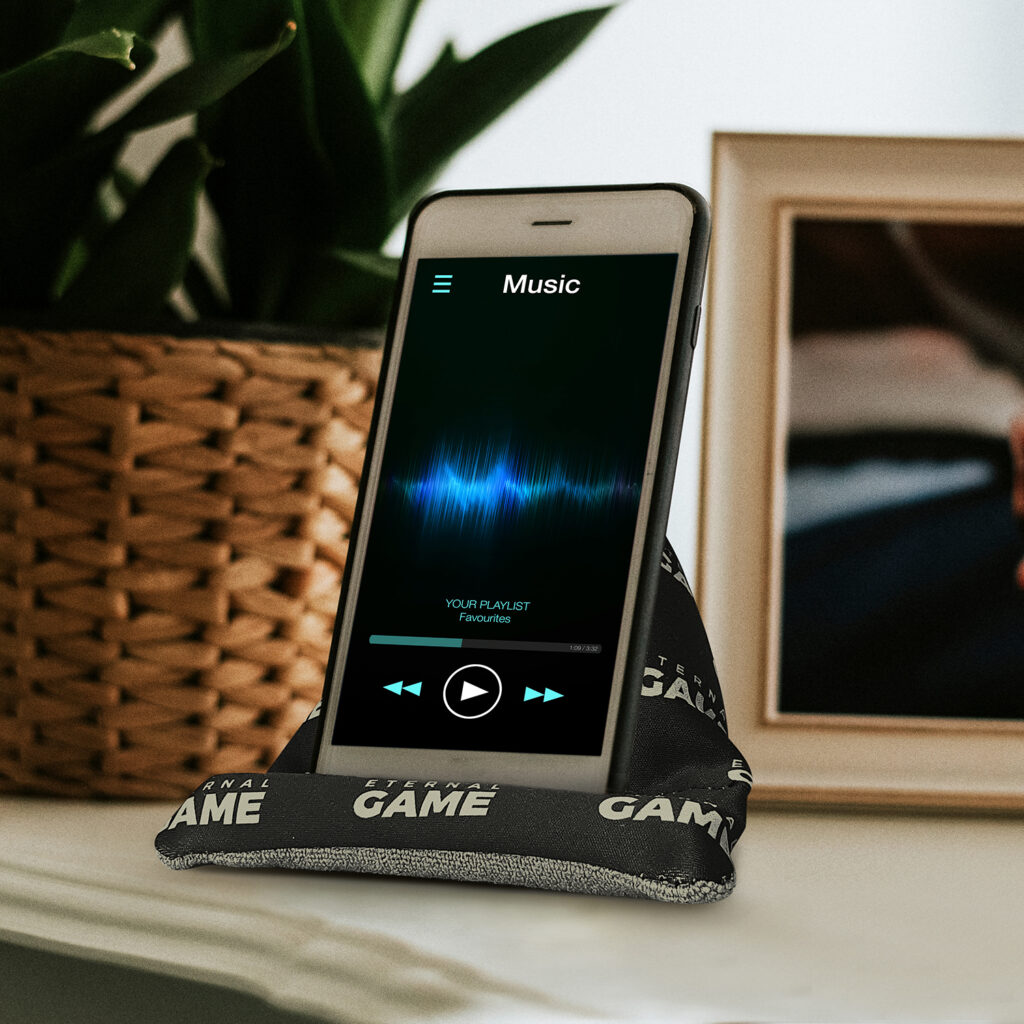
We’re all glued to our devices, so tech accessories naturally become high-value items. A power bank during a low-battery moment? That’s instant appreciation for your brand.
These products also position your brand as modern and practical, especially for younger or tech-savvy audiences. The more “lifesaving” the item feels (like a charger or phone stand), the stronger the positive association with your brand.
Office & Everyday Essentials (Notebooks, Pens, Lanyards)

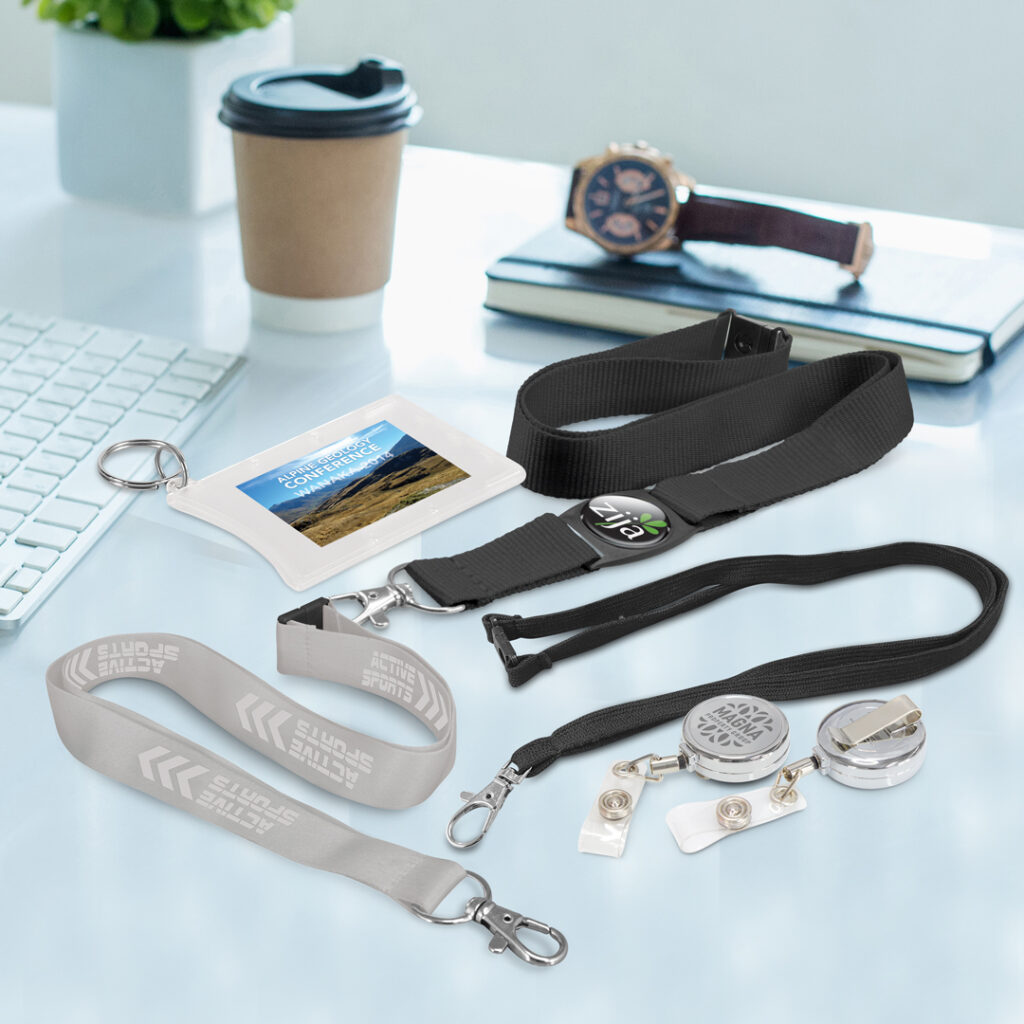
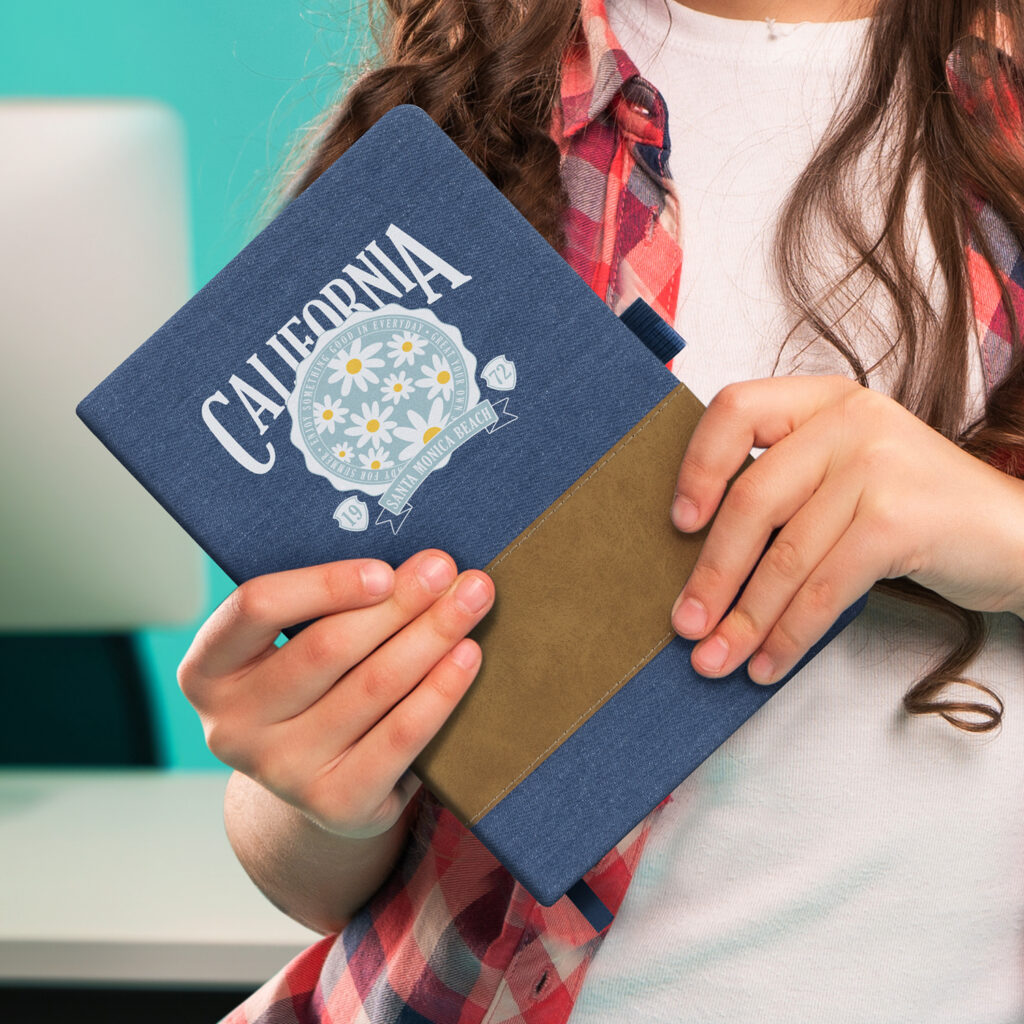
These are the classics—and they still work. Why? Because they’re simple, affordable, and consistently useful.
They may not feel as exciting as tech or apparel, but they’re perfect for events, onboarding kits, and large-scale giveaways.
👉 Pro Tip: The key here is upgrading the look and feel. A sleek notebook or a high-quality pen can elevate your brand perception instantly.
So, What Actually Makes Merch Effective?
After seeing what works (and what doesn’t), here’s what we always tell our clients at Quickmerch:
☑️ If it’s useful, it gets used.
☑️ If it looks good, it gets kept.
☑️ If it feels premium, it gets remembered.
The sweet spot? Products that check all three.
The best promotional products don’t feel like promotions at all. They feel like thoughtful, useful items that naturally become part of someone’s day.
That’s where Quickmerch comes in. We don’t just help you put your logo on products—we help you create merch that people actually love, use, and remember.
Because at the end of the day, great merch doesn’t just promote your brand… it represents it.
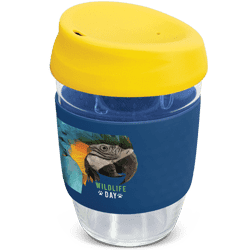 This production method is a CMYK+W digital branding process designed specifically for silicone surfaces.
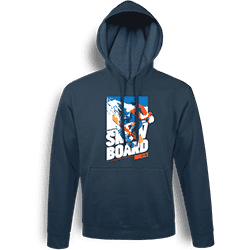 Colourflex transfers are a CMYK+W digital print process, used for branding apparel and fabrics.
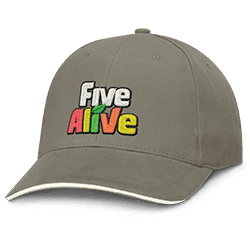 Embroidery is an excellent way of branding bags, apparel, and other textile products. It offers higher perceived value and a depth of branding quality which other processes cannot match. Embroidery uses rayon thread which is stitched into the product and has a slightly raised effect.
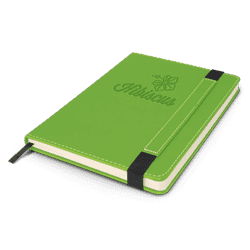 Commonly referred to as ‘Blind’ debossing, a heated custom metal plate is pressed firmly onto the product leaving an impression of the artwork. Thermo debossing is also available on certain products, using additional heat to create a unique and eye-catching two-tone finish.
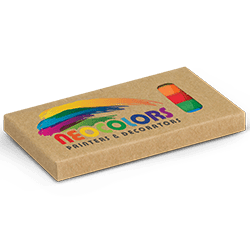 Direct digital printing involves the transfer of ink directly from the print heads of an inkjet machine to the product and can be used to produce both full colour and closely matched spot colour branding on flat or slightly curved surfaces.
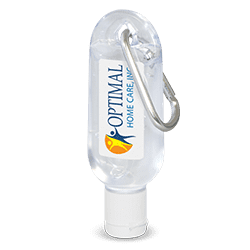 Digital adhesive labels are used to brand products that cannot be branded with any other method. They are printed with a digital printing press and applied to the product.
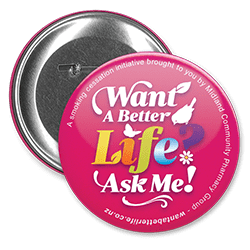 This production method is used for printing media such as paper, vinyl and magnetic material used in the manufacture of labels, badges, and fridge magnets etc. This printing process uses CMYK values.
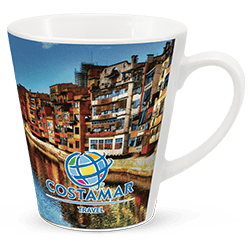 Dye sublimation print is used for branding products that have a special coating on them, or fabrics suitable for the sublimation process. A transfer is produced by printing sublimation ink onto transfer paper and then heat pressing it onto the product.
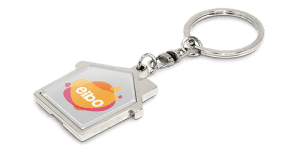 This CMYK branding process is produced by printing artwork onto a vinyl material with strong adhesive on the reverse. The branded area is then coated with a crystal-clear resin. Once dry, the finished decal is applied to the product and the adhesive forms a permanent bond.
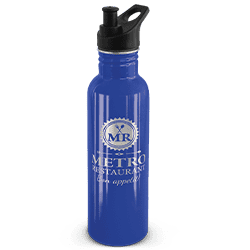 Laser engraving is a permanent branding process that engraves artwork into the surface of the product using a laser. Different materials produce different engraving finishes, to avoid uncertainty pre-production samples are recommended.
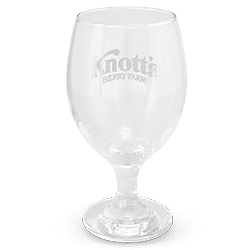 Imitation etch is a special pad printing ink used for producing an etch-like effect on glass products.
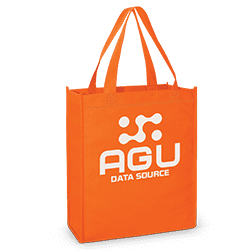 Flatbed Screen Printing is achieved by forcing ink through a fine mesh screen with a squeegee onto the product and is ideal for branding flat objects.
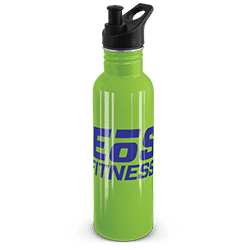 Rotary Screen Printing is achieved by forcing ink through a fine mesh screen with a squeegee onto the product and is ideal for cylindrical objects.
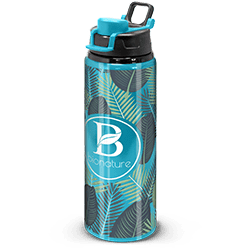 Direct to product rotary digital printing involves the transfer of UV ink directly from inkjet print heads and can be used to produce detailed artwork using both closely matched spot colours and full colour branding.
 Pad printing uses a silicone pad to transfer an image to a product from a laser etched printing plate. It is one of the most popular and affordable ways of branding promotional products due to its ability to reproduce images on uneven or curved products and print multiple colours in a single pass.