

South Australia is currently moving through a widespread rain event, with steady showers covering much of Adelaide and surrounding regions. It’s the kind of weather that quietly shifts the rhythm of the day, commutes slow down, outdoor plans get reconsidered, and everyone seems to step outside a little more prepared than usual. Umbrellas appear from cupboards, jackets get pulled out from storage, and even a quick trip to the café becomes a small exercise in staying dry.
But while rain might feel like a disruption for some, it also creates an interesting shift in how people move through public spaces. Streets become filled with umbrellas of all shapes and sizes, bus stops get busier, and walkways turn into moving streams of colour and motion. In moments like these, something simple becomes more noticeable: what people carry, wear, and use every day becomes highly visible.
And that’s where promotional merchandise quietly comes into its own.
On a rainy day, branded items are not sitting on desks or tucked away in bags. They’re out in the real world doing exactly what they’re meant to do. A well-made umbrella becomes a moving billboard as it travels from home to office. A lightweight rain jacket turns into a practical uniform for staff working outdoors or commuting across the city. Even something as simple as a waterproof tote bag starts to stand out when it’s protecting someone’s essentials through wet streets and unpredictable weather.
Unlike digital advertising that competes for attention on a screen, rain-ready merchandise works in the physical world. It doesn’t interrupt; it integrates. It becomes part of someone’s routine, part of their decision to stay comfortable, and part of how they navigate their day. And because it’s useful first, it naturally earns more visibility and longer-term use.
This is why weather like this isn’t just something brands have to adapt to, it’s something they can work with. Rain campaigns, giveaways, and staff gear upgrades all become more meaningful when the products are designed for real conditions. A branded umbrella handed out during a launch doesn’t just promote a message for a day; it continues promoting every time it opens. A rain poncho distributed at an outdoor event doesn’t just solve a problem in the moment; it keeps a brand present long after the event ends.
Even better, there’s a growing shift toward sustainable options, with RPET umbrellas and recycled materials becoming more common in promotional merchandise. These products not only serve a practical purpose during wet weather but also reflect a brand’s awareness of environmental responsibility—something audiences increasingly value.
So while South Australia continues to experience this stretch of wet weather, it also highlights something simple but powerful: visibility doesn’t always come from big campaigns or loud messaging. Sometimes, it comes from everyday usefulness in the middle of a rainy street.
And this is exactly where Quickmerch fits in. Quickmerch focuses on creating promotional merchandise that performs in real-life conditions—products like durable umbrellas, rain-ready apparel, and eco-conscious branded items designed to stay in circulation, not in storage. The goal is to help brands stay visible in moments that matter, especially when the weather turns and practicality becomes priority.
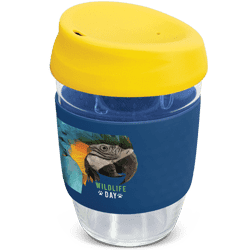 This production method is a CMYK+W digital branding process designed specifically for silicone surfaces.
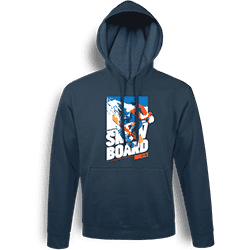 Colourflex transfers are a CMYK+W digital print process, used for branding apparel and fabrics.
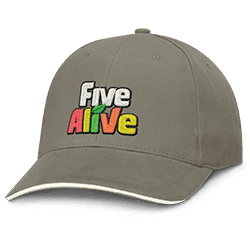 Embroidery is an excellent way of branding bags, apparel, and other textile products. It offers higher perceived value and a depth of branding quality which other processes cannot match. Embroidery uses rayon thread which is stitched into the product and has a slightly raised effect.
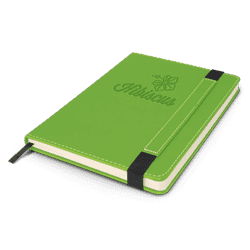 Commonly referred to as ‘Blind’ debossing, a heated custom metal plate is pressed firmly onto the product leaving an impression of the artwork. Thermo debossing is also available on certain products, using additional heat to create a unique and eye-catching two-tone finish.
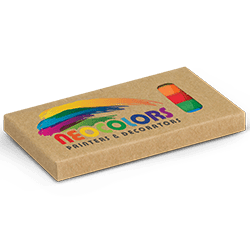 Direct digital printing involves the transfer of ink directly from the print heads of an inkjet machine to the product and can be used to produce both full colour and closely matched spot colour branding on flat or slightly curved surfaces.
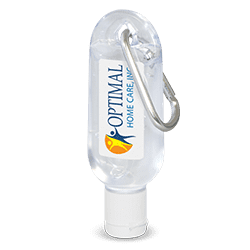 Digital adhesive labels are used to brand products that cannot be branded with any other method. They are printed with a digital printing press and applied to the product.
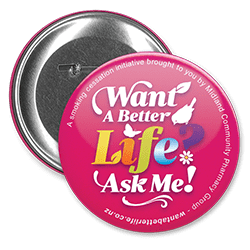 This production method is used for printing media such as paper, vinyl and magnetic material used in the manufacture of labels, badges, and fridge magnets etc. This printing process uses CMYK values.
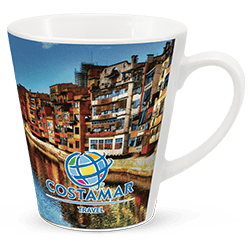 Dye sublimation print is used for branding products that have a special coating on them, or fabrics suitable for the sublimation process. A transfer is produced by printing sublimation ink onto transfer paper and then heat pressing it onto the product.
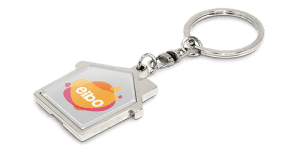 This CMYK branding process is produced by printing artwork onto a vinyl material with strong adhesive on the reverse. The branded area is then coated with a crystal-clear resin. Once dry, the finished decal is applied to the product and the adhesive forms a permanent bond.
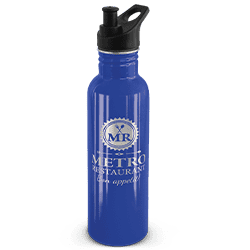 Laser engraving is a permanent branding process that engraves artwork into the surface of the product using a laser. Different materials produce different engraving finishes, to avoid uncertainty pre-production samples are recommended.
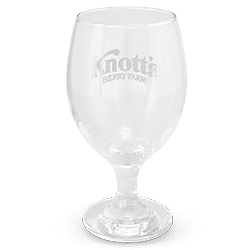 Imitation etch is a special pad printing ink used for producing an etch-like effect on glass products.
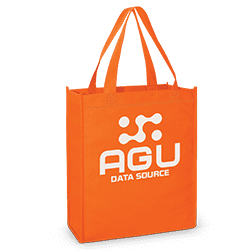 Flatbed Screen Printing is achieved by forcing ink through a fine mesh screen with a squeegee onto the product and is ideal for branding flat objects.
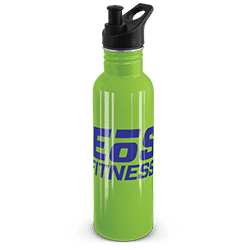 Rotary Screen Printing is achieved by forcing ink through a fine mesh screen with a squeegee onto the product and is ideal for cylindrical objects.
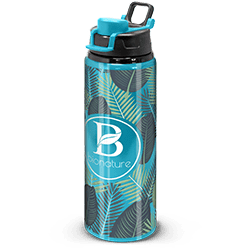 Direct to product rotary digital printing involves the transfer of UV ink directly from inkjet print heads and can be used to produce detailed artwork using both closely matched spot colours and full colour branding.
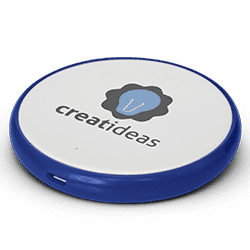 Pad printing uses a silicone pad to transfer an image to a product from a laser etched printing plate. It is one of the most popular and affordable ways of branding promotional products due to its ability to reproduce images on uneven or curved products and print multiple colours in a single pass.