
There are a few things you can always count on during footy season in Australia — the roar of the crowd, a cracking game, and of course, a proper pie in hand. And when it comes to pies, it’s hard to go past Vili’s. For many fans, footy just isn’t footy without one.
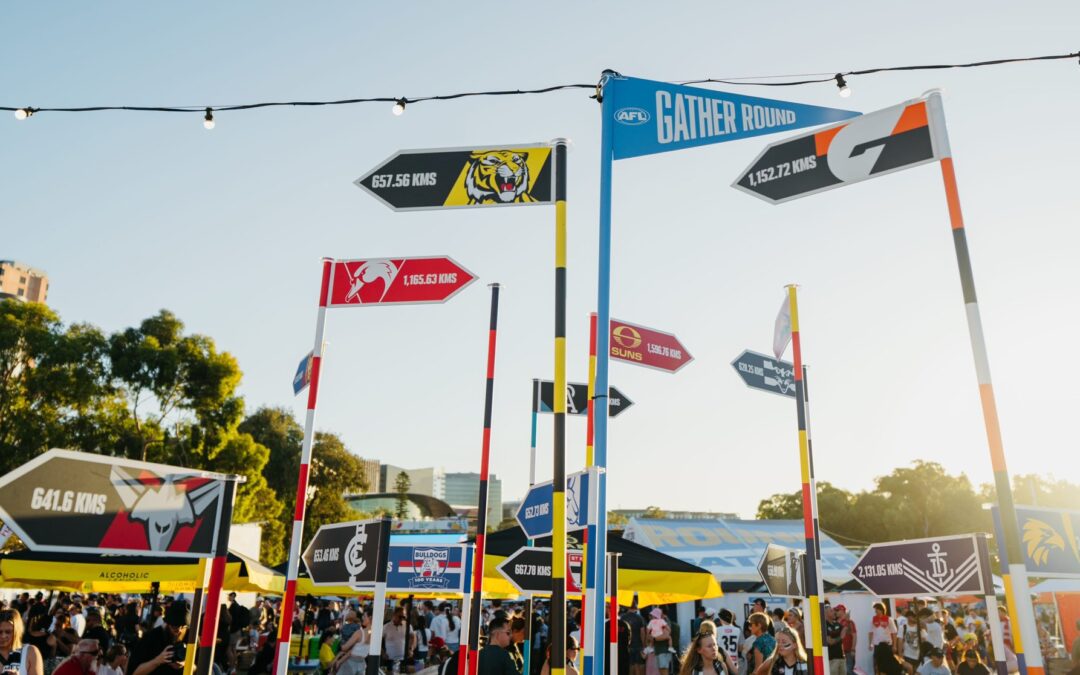
Gather Round is one of the newest and most exciting additions to the Australian Football League (AFL) calendar. It brings all AFL teams to one state for a single round of games, turning it into a festival-style celebration of footy. Instead of matches being spread across the country, every game is played in one location, creating a full week of footy, fan events, and entertainment all in the same place. Gather Round is held in South Australia, with games played across Adelaide and nearby regional venues. The idea is to showcase not just AFL football, but also the best of South Australian culture, food, and tourism. It’s become a major drawcard for fans across the country, with thousands travelling to experience footy in a completely different way and soaking up everything SA has to offer while they’re at it.
And speaking of South Australian icons, Vili’s is right up there as one of the most well-known local favourites. Best known for its pies, pastries, and classic Aussie baked goods, Vili’s has long been part of the match-day experience for footy fans. Whether it’s at the ground, on the road, or in the middle of a big game-day crowd, Vili’s is one of those staples that just fits the occasion. For many fans, it’s more than just food — it’s part of the tradition. A hot pie in hand while watching the footy is about as Aussie as it gets.
But this story isn’t just about pies. It’s about what happens behind the scenes when timing is tight and expectations are high.
A Last-Minute Challenge
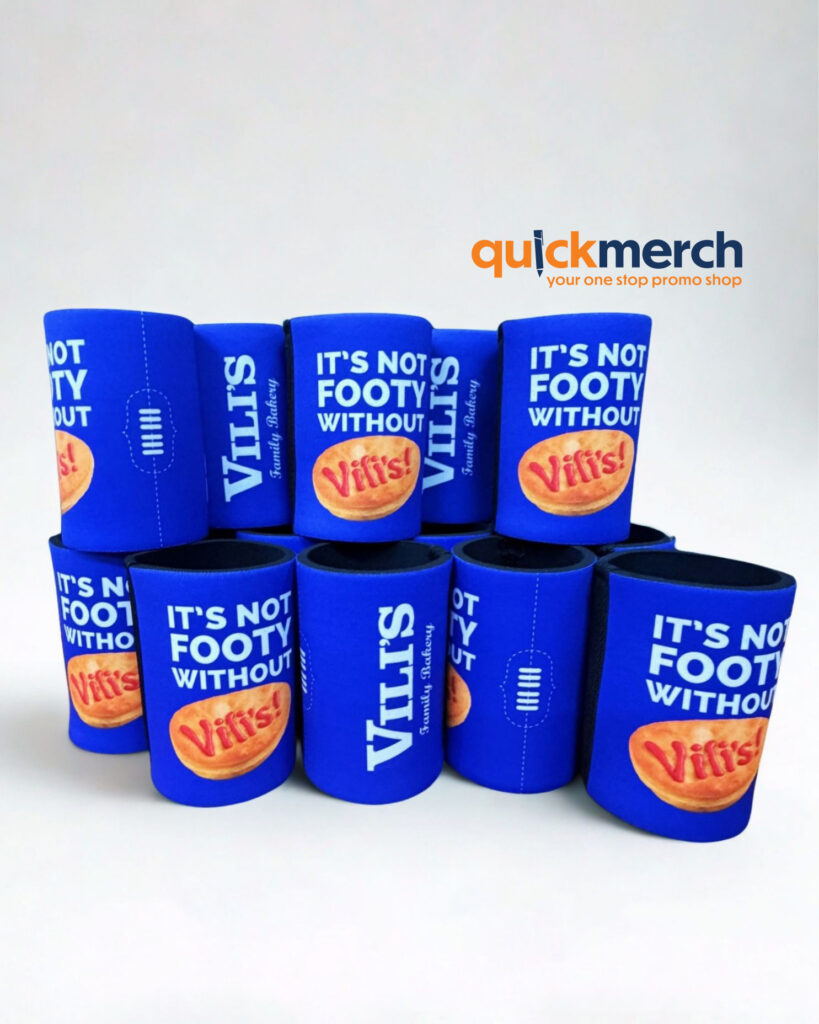
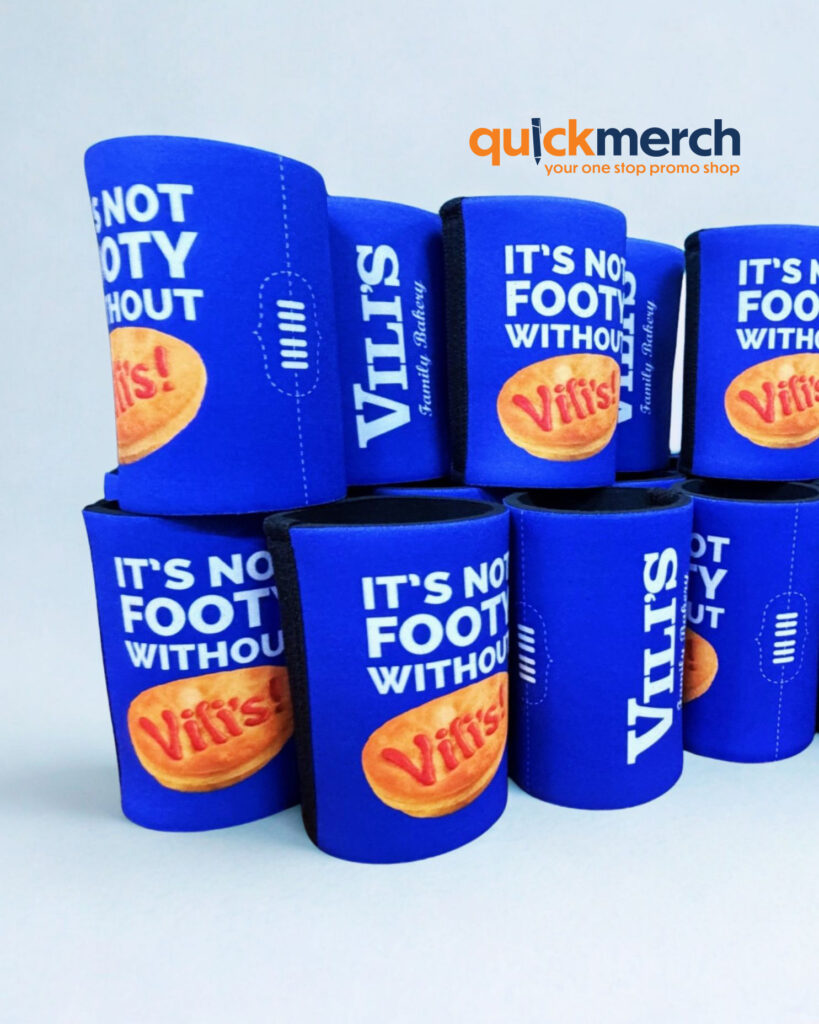
With Gather Round fast approaching, Vili’s needed custom branded stubby holders and they needed them fast. Not next week fast. Not “we’ll see what we can do” fast. Within just three days!
That’s the kind of request that stops most suppliers in their tracks. Tight turnaround, firm event deadline, no room for error. But at Quickmerch, this is exactly the kind of challenge we’re built for.
Making It Happen
From the moment the brief came through, it was all hands on deck. Production timelines were tightened, logistics were locked in, and every step was carefully managed to make sure nothing was missed.
Speed is one thing but speed without quality doesn’t cut it. Especially not for a brand like Vili’s, where reputation matters. So, while the clock was ticking, the focus stayed the same: deliver a product that looks great, feels premium, and represents the brand the right way.
Delivered Right on Time
Three days later? Job done. The Vili’s stubby holders were delivered on time, exactly as expected, and ready for footy fans at Gather Round. No delays. No compromises. Just solid execution.
The result was simple: a very happy client and merch that added to the match-day experience.
Why It Matters
Moments like this are a good reminder that in business, timing often changes everything. Events come up, deadlines shift, and plans move quickly. But that shouldn’t mean settling for rushed or low-quality merch. That’s where QuickMerch comes in. Whether it’s a last-minute order or a fully planned campaign, the goal stays the same and make sure your merch looks the part, arrives on time, and does exactly what it’s meant to do: represent your brand properly.
At Quickmerch, it’s not just about doing things fast. It’s about doing them right. From quick-turn projects to larger campaigns, everything is handled with efficiency, attention to detail, and a down-to-earth Aussie approach that keeps things simple and reliable.
Because at the end of the day, good merch isn’t just about products — it’s about showing up when it counts.
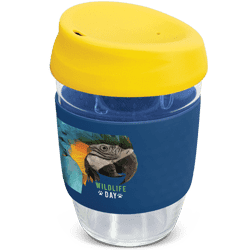 This production method is a CMYK+W digital branding process designed specifically for silicone surfaces.
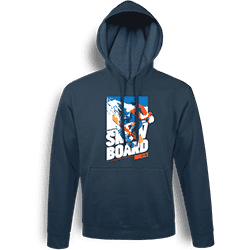 Colourflex transfers are a CMYK+W digital print process, used for branding apparel and fabrics.
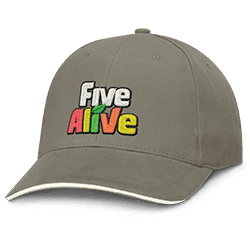 Embroidery is an excellent way of branding bags, apparel, and other textile products. It offers higher perceived value and a depth of branding quality which other processes cannot match. Embroidery uses rayon thread which is stitched into the product and has a slightly raised effect.
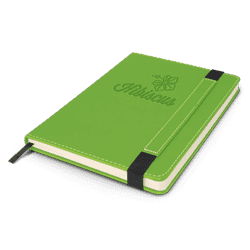 Commonly referred to as ‘Blind’ debossing, a heated custom metal plate is pressed firmly onto the product leaving an impression of the artwork. Thermo debossing is also available on certain products, using additional heat to create a unique and eye-catching two-tone finish.
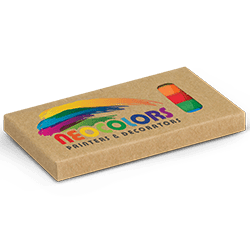 Direct digital printing involves the transfer of ink directly from the print heads of an inkjet machine to the product and can be used to produce both full colour and closely matched spot colour branding on flat or slightly curved surfaces.
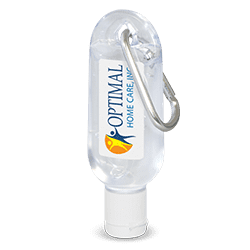 Digital adhesive labels are used to brand products that cannot be branded with any other method. They are printed with a digital printing press and applied to the product.
 This production method is used for printing media such as paper, vinyl and magnetic material used in the manufacture of labels, badges, and fridge magnets etc. This printing process uses CMYK values.
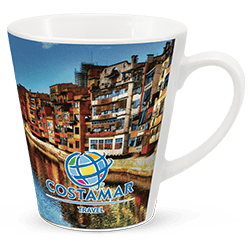 Dye sublimation print is used for branding products that have a special coating on them, or fabrics suitable for the sublimation process. A transfer is produced by printing sublimation ink onto transfer paper and then heat pressing it onto the product.
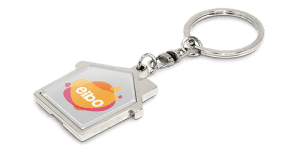 This CMYK branding process is produced by printing artwork onto a vinyl material with strong adhesive on the reverse. The branded area is then coated with a crystal-clear resin. Once dry, the finished decal is applied to the product and the adhesive forms a permanent bond.
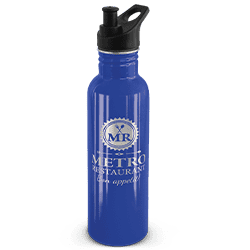 Laser engraving is a permanent branding process that engraves artwork into the surface of the product using a laser. Different materials produce different engraving finishes, to avoid uncertainty pre-production samples are recommended.
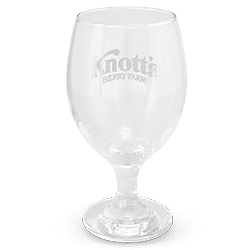 Imitation etch is a special pad printing ink used for producing an etch-like effect on glass products.
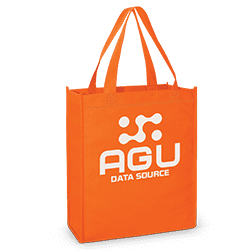 Flatbed Screen Printing is achieved by forcing ink through a fine mesh screen with a squeegee onto the product and is ideal for branding flat objects.
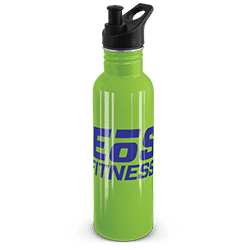 Rotary Screen Printing is achieved by forcing ink through a fine mesh screen with a squeegee onto the product and is ideal for cylindrical objects.
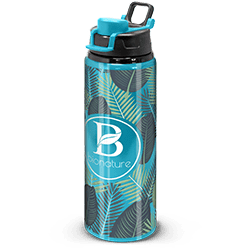 Direct to product rotary digital printing involves the transfer of UV ink directly from inkjet print heads and can be used to produce detailed artwork using both closely matched spot colours and full colour branding.
 Pad printing uses a silicone pad to transfer an image to a product from a laser etched printing plate. It is one of the most popular and affordable ways of branding promotional products due to its ability to reproduce images on uneven or curved products and print multiple colours in a single pass.