
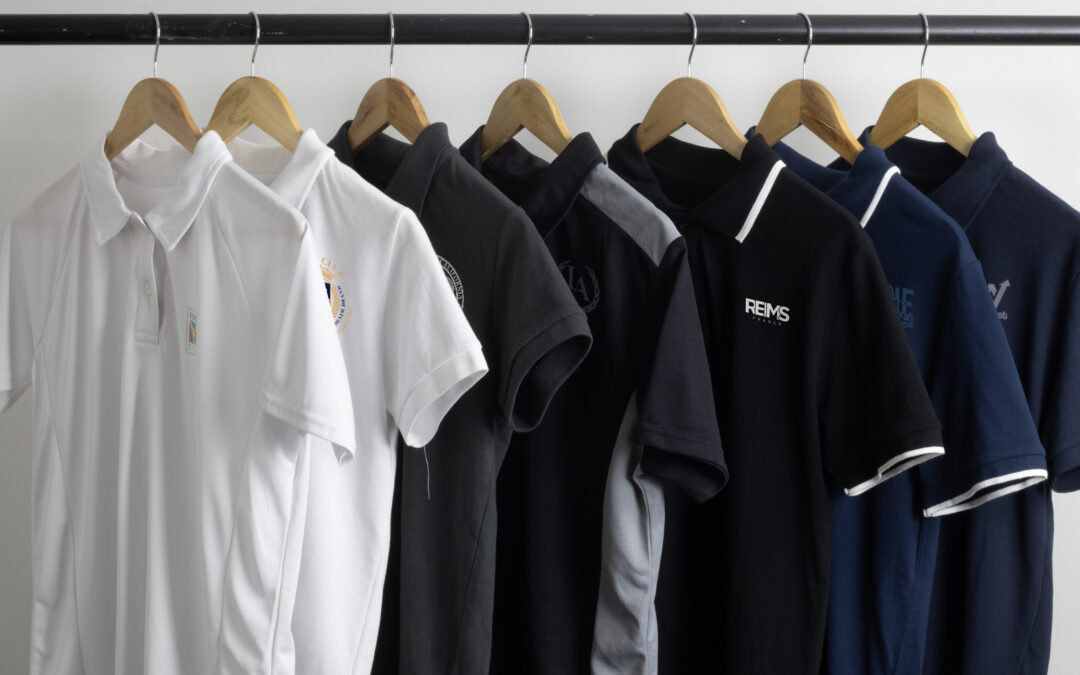
Branding isn’t just for customers.
It’s for culture.
It’s for reputation.
It’s for who wants to work with you — and who wants to work for you.
Today’s employees don’t just want a job.
They want to feel part of something.
And that’s where branded apparel and merchandise come in.
Professional Identity Starts Visually
Before someone reads your company values on a website, they notice how your team presents.
Branded apparel gives staff a shared identity. It answers:
“Who are we as a company?”
Are you polished and corporate?
Creative and relaxed?
Premium and detail-driven?
When your team looks aligned, it builds clarity.
Clarity builds pride.
And pride strengthens engagement.
Recruitment often starts well before the interview stage—candidates are picking up on more than you’d expect. When they see consistent uniforms, well-thought-out onboarding kits, and cohesive branding across teams, it quietly signals stability, investment in culture, and organisational maturity. These small but important details shape the perception of a business that’s well-established and put-together, rather than disorganised or chaotic—making it far more appealing to strong candidates.
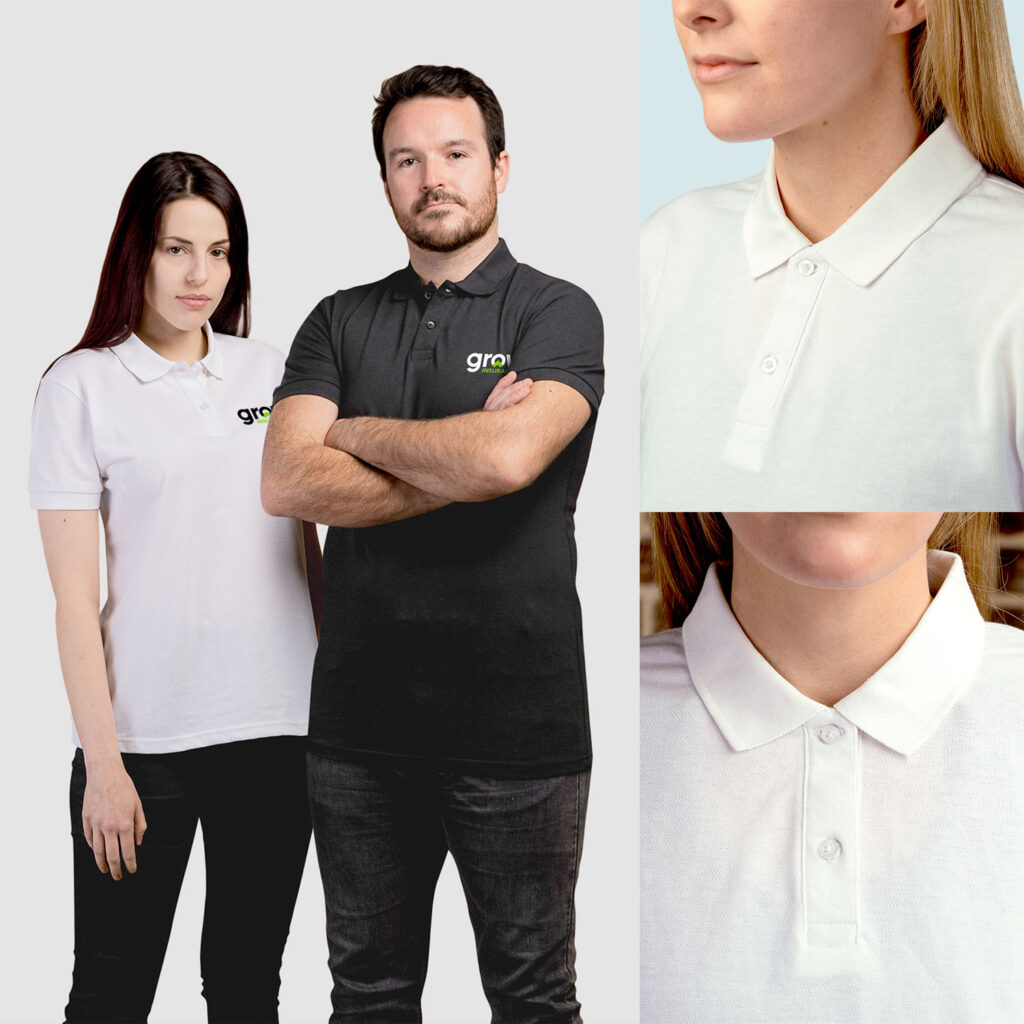
Beyond attracting talent, strong branding also plays a key role in retention. People are more likely to stick around when they feel a genuine sense of connection and belonging. Quality merchandise and apparel help build that by strengthening team identity, encouraging pride, and supporting internal advocacy. When staff choose to wear branded gear outside of work, it goes beyond compliance—it reflects pride in the workplace and a real sense of belonging to the organisation.
That’s belief.
Social Proof in the Wild
When employees wear branded gear at the café, gym, or on their daily commute, it naturally sparks conversations. People ask, “Where do you work?” and just like that, your brand enters real-life discussions—organically, without needing to be pushed or promoted. It’s simple, but powerful visibility that builds recognition in everyday moments.
It’s Bigger Than Uniforms
This isn’t just about putting a logo on a shirt—it’s about reinforcing identity, strengthening culture, and turning employees into genuine brand advocates. When people believe in what they’re part of, they deliver better customer experiences, communicate with more confidence, and represent the brand consistently. Employer branding doesn’t just live in HR documents—it shows up in how your team turns up every day. And when your people feel aligned, connected, and proud to wear the brand, that’s when branding becomes real internal strength, not just external image.
The Quickmerch Action
At Quickmerch, we don’t just supply branded items — we help businesses build culture and pride through thoughtful, practical merchandise.
Here’s how we help companies:
- Professional Presentation: We design branded apparel that reflects your culture and values, giving staff a cohesive, confident identity.
- Recruitment Advantage: Thoughtfully curated merchandise and welcome kits signal stability and maturity, helping attract top talent.
- Retention & Belonging: We focus on practical, premium items that staff actually want to use, fostering pride, loyalty, and advocacy.
- Social Proof: Our products are designed to be seen in the real world — from coffee shops to client meetings — making your brand naturally visible and trusted.
- Strategic Alignment: Every item is chosen to reinforce your brand’s message, culture, and professional standards — not just to showcase a logo.
Quickmerch turns employees into brand ambassadors — proudly, consistently, and naturally — while strengthening both your culture and your employer brand.
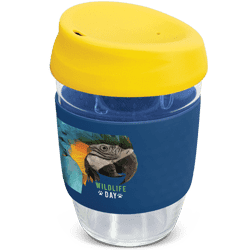 This production method is a CMYK+W digital branding process designed specifically for silicone surfaces.
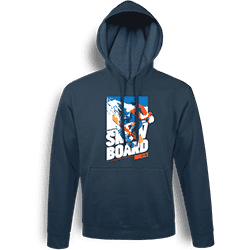 Colourflex transfers are a CMYK+W digital print process, used for branding apparel and fabrics.
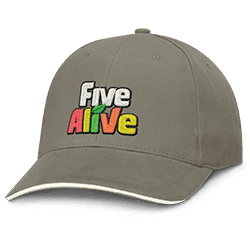 Embroidery is an excellent way of branding bags, apparel, and other textile products. It offers higher perceived value and a depth of branding quality which other processes cannot match. Embroidery uses rayon thread which is stitched into the product and has a slightly raised effect.
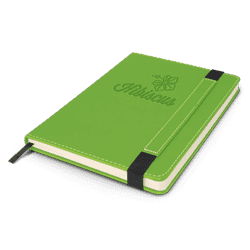 Commonly referred to as ‘Blind’ debossing, a heated custom metal plate is pressed firmly onto the product leaving an impression of the artwork. Thermo debossing is also available on certain products, using additional heat to create a unique and eye-catching two-tone finish.
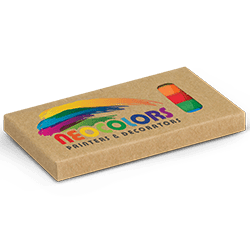 Direct digital printing involves the transfer of ink directly from the print heads of an inkjet machine to the product and can be used to produce both full colour and closely matched spot colour branding on flat or slightly curved surfaces.
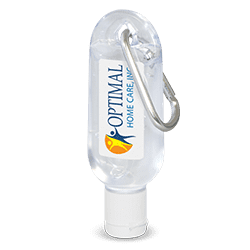 Digital adhesive labels are used to brand products that cannot be branded with any other method. They are printed with a digital printing press and applied to the product.
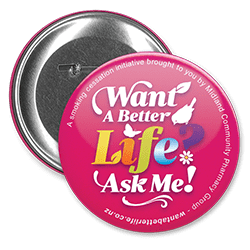 This production method is used for printing media such as paper, vinyl and magnetic material used in the manufacture of labels, badges, and fridge magnets etc. This printing process uses CMYK values.
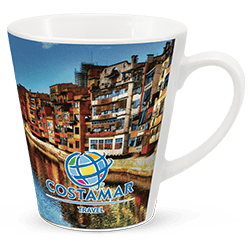 Dye sublimation print is used for branding products that have a special coating on them, or fabrics suitable for the sublimation process. A transfer is produced by printing sublimation ink onto transfer paper and then heat pressing it onto the product.
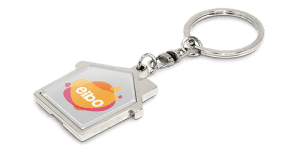 This CMYK branding process is produced by printing artwork onto a vinyl material with strong adhesive on the reverse. The branded area is then coated with a crystal-clear resin. Once dry, the finished decal is applied to the product and the adhesive forms a permanent bond.
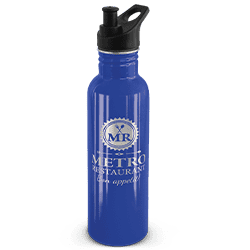 Laser engraving is a permanent branding process that engraves artwork into the surface of the product using a laser. Different materials produce different engraving finishes, to avoid uncertainty pre-production samples are recommended.
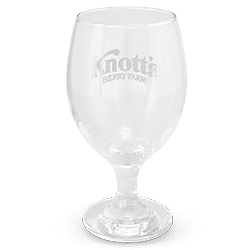 Imitation etch is a special pad printing ink used for producing an etch-like effect on glass products.
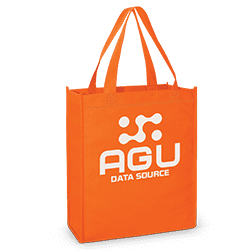 Flatbed Screen Printing is achieved by forcing ink through a fine mesh screen with a squeegee onto the product and is ideal for branding flat objects.
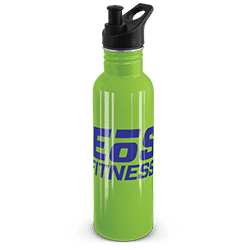 Rotary Screen Printing is achieved by forcing ink through a fine mesh screen with a squeegee onto the product and is ideal for cylindrical objects.
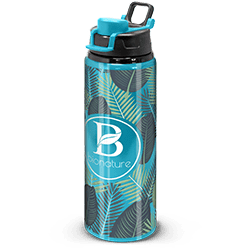 Direct to product rotary digital printing involves the transfer of UV ink directly from inkjet print heads and can be used to produce detailed artwork using both closely matched spot colours and full colour branding.
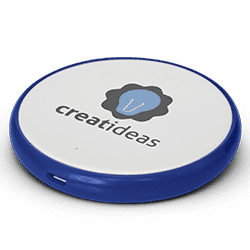 Pad printing uses a silicone pad to transfer an image to a product from a laser etched printing plate. It is one of the most popular and affordable ways of branding promotional products due to its ability to reproduce images on uneven or curved products and print multiple colours in a single pass.