
QuickMerch
Contact Us 0
Products
Indent
New
Brands
Collections
Sale
Kitting
Impact Aware
Event

Products

Branding Solutions

Brands

Collections

Contact Us

Quick Guide to Smarter Event Merch for SA Businesses

by Quickmerch Team | Apr 27, 2026 | Business | 0 comments

If you’ve ever worked an event, you’ll know this feeling. People walk past your stand, have a quick look, and keep moving. Meanwhile, a few stands down, there’s a crowd building around another brand.

Same event. Same kind of crowd. So what’s the difference?

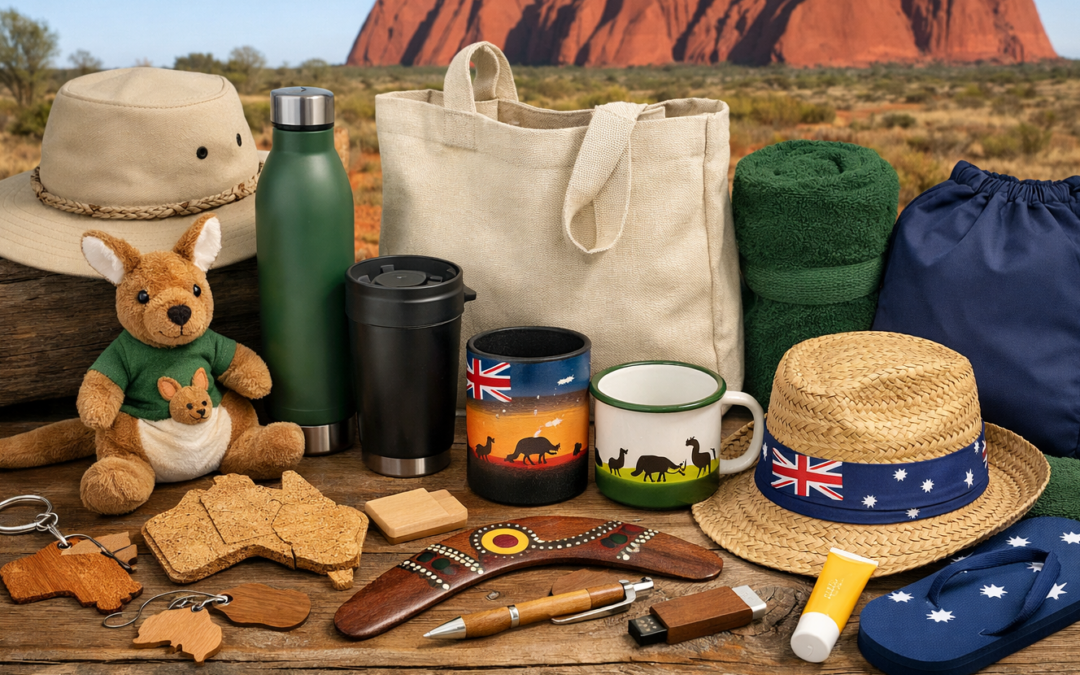
Most of the time, it’s not the setup or even the budget. It’s the merch and more importantly, how well it fits the event. A lot of businesses still treat promotional products like a box to tick. Order something, put the logo on it, bring it along on the day. But what actually works at events around South Australia is a bit more thought-out than that.

Take something like WOMADelaide or Adelaide Fringe. These are busy, outdoor, all-day events. People are walking around, carrying food, dealing with the sun, juggling drinks and bags. If you’re handing out something they can use right there like a tote bag or a cap, you’ve already got their attention. It makes sense in the moment, and that’s what gets people to stop.
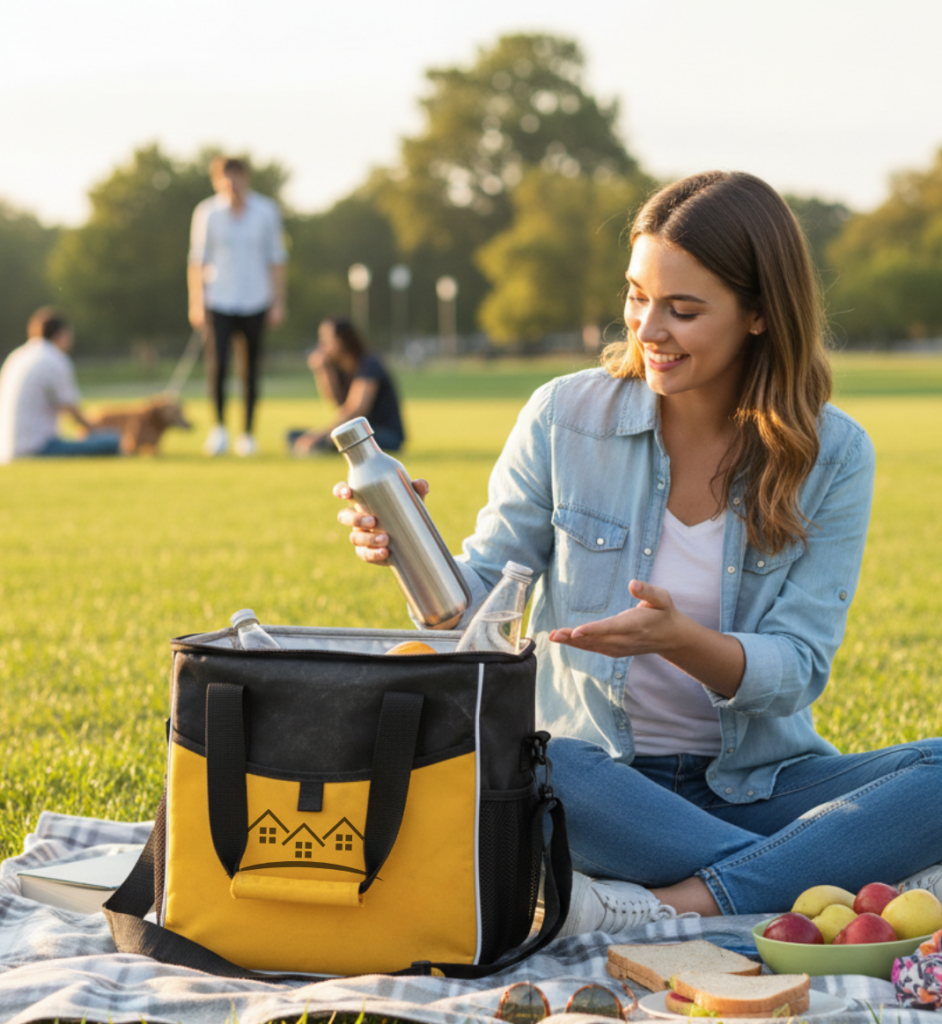
Now compare that to a corporate event or expo. Different vibe completely. People are there to network, sit in sessions, have conversations. A random giveaway that doesn’t fit that setting just feels out of place. But something simple and useful like a notebook or a well-designed pen gets picked up, taken home, and actually used later. That’s where the value sits.

Sporting events are another story again. Think crowds at AFL Gather Round—high energy, lots of movement, people wanting to be part of the atmosphere. Wearable merch works here for a reason. If someone can throw on a cap or a shirt straight away, they’re not just taking your product, they’re wearing your brand around the event.

Then you’ve got more premium-style events, wine tastings, networking nights, smaller curated gatherings. This is where going cheap can actually work against you. People notice quality in these settings. A smaller quantity of well-thought-out items goes a lot further than a big pile of throwaways.

What it really comes down to is this: people don’t take merch just because it’s free. They take it because it makes sense for where they are and what they’re doing. If it fits naturally into their day, they’ll keep it. If it doesn’t, it’s forgotten pretty quickly. And timing plays a bigger role than most people expect. A lot of businesses leave merch until the last minute, which usually means limited options or rushed decisions. That’s where having someone like QuickMerch in your corner helps. It’s not just about getting something printed fast. It’s about getting the right thing, even when timelines are tight. Something that actually works for the event you’re going to, not just whatever’s available.

At the end of the day, matching your merch to the event isn’t complicated but it does require a bit of thought. Different crowds, different environments, different expectations. And when you get that right, you’ll notice the difference straight away. More people stopping. More conversations happening. Less waste.

Because good merch doesn’t feel random. It feels like it belongs there.
QuickMerch

Quick Links

  • Contact Us
  • Blog

100% Australia owned

  • Free Australia Wide Shipping
  • Brand Your Merchandise
  • Low Price Guarantee

Contact Us

Phone
1300 802 784
Email
sales@quickmerch.com.au
Location
159A Marion Road, Richmond
SA 5033

Copyright 2026 © QuickMerch | ABN: 69106194736

Privacy Policy

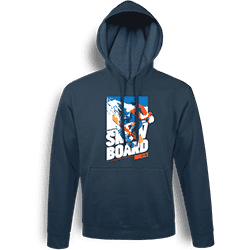
Silicone Digital Print

This production method is a CMYK+W digital branding process designed specifically for silicone surfaces.
Advantages
  • Provides crisp, clear, high-definition artwork.
  • Durable, flexible branding that can be hand washed.
  • Perfect for printing dark coloured products as a layer of white ink can be printed under the artwork.
  • Ideal for producing full colour images as well as approximate spot colour branding.
  • Has a matt finish and does not crack or fade with typical use of product.
  • Only one set up charge is required regardless of the number of print colours.
Limitations
  • Some colours cannot be reproduced including metallic and neon/fluorescent colours.
  • Unable to print variable data.
  • Minimum detail is advised to be no finer than 0.7mm.
Artwork Requirements
  • Artwork can be supplied in either vector or bitmap format.
  • Supplied bitmaps must be higher than 300DPI resolution at the actual print size.
  • Fonts are advised to be converted to outlines/objects to avoid font conflicts.

Colourflex Transfer

Colourflex transfers are a CMYK+W digital print process, used for branding apparel and fabrics.
Advantages
  • Ideal for producing full colour, complex images as well as approximate spot colour branding.
  • High definition, vibrant matt finish artwork that is suitable on a range of garment fabrics.
  • Eco-friendly water-based inks.
  • Durable, flexible branding for apparel that is machine washable with a soft-touch matt finish.
  • Efficient self-weeding technology.
  • Only one set up charge is required regardless of the number of print colours.
  • Can be shipped straight after being printed.
Limitations
  • Some colours cannot be reproduced including metallic and neon/fluorescent colours.
  • A thin, clear line of glue can sometimes be seen around the edges of the image.
  • Unable to print variable data.
  • Minimum detail advised at 1mm.
Artwork Requirements
  • Artwork can be supplied in either vector or bitmap format.
  • Supplied bitmaps must be higher than 300DPI resolution at the actual print size.
  • Fonts are advised to be converted to outlines/objects to avoid font conflicts.

Embroidery

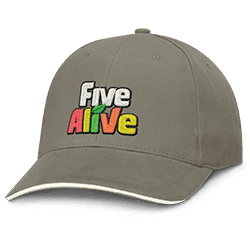
Embroidery is an excellent way of branding bags, apparel, and other textile products. It offers higher perceived value and a depth of branding quality which other processes cannot match. Embroidery uses rayon thread which is stitched into the product and has a slightly raised effect.
Advantages
  • Only one setup charge applies per position for up to 12 thread colours.
Limitations
  • Only approximate PMS colour matches are possible – the threads to be used are chosen from those available to give the closest possible match. See our thread colour chart for the colours available.
  • Unable to print variable data such as individual naming.
  • Metallic embroidery colours have special pricing.
Artwork Requirements
  • Vector artwork is preferred.
  • Fonts are advised to be converted to outlines/objects to avoid font conflicts.
  • We recommend avoiding fine detail – the minimum text heights for embroidered artworks are:
    • 4.5mm for Sans Serif fonts
    • 5.5mm for Serif fonts

Debossing

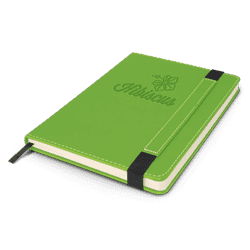
Commonly referred to as ‘Blind’ debossing, a heated custom metal plate is pressed firmly onto the product leaving an impression of the artwork. Thermo debossing is also available on certain products, using additional heat to create a unique and eye-catching two-tone finish.
Advantages
  • Higher perceived value than other forms of branding.
  • The branding becomes part of the product and is permanent.
  • The product can be shipped as soon as heat pressing is finished.
  • Certain products can produce a two-tone finish.
Limitations
  • Unable to print variable data such as individual naming.
Artwork Requirements
  • The artwork must be supplied in vector format.
  • Fonts are advised to be converted to outlines/objects to avoid font conflicts.

Direct Digital

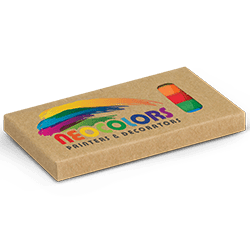
Direct digital printing involves the transfer of ink directly from the print heads of an inkjet machine to the product and can be used to produce both full colour and closely matched spot colour branding on flat or slightly curved surfaces.
Advantages
  • Ideal for printing dark coloured products as a layer of white ink can be printed under the artwork.
  • Can print variable data including individual names.
  • Dried instantly so products can be shipped immediately.
  • Offers larger print areas on many products and can print very close to the edge of flat products.
  • Only one set up charge is required regardless of the number of print colours.
Limitations
  • Some colours cannot be reproduced including metallic and neon/fluorescent colours.
  • The size of branding areas is limited on curved surfaces.
  • Larger print areas can be more expensive.
Artwork Requirements
  • Artwork can be supplied in either vector or bitmap format.
  • Supplied bitmaps must be higher than 300DPI resolution at the actual print size.
  • A 3mm bleed must be added to the artwork if it bleeds off the product.

Digital Label

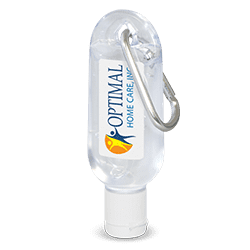
Digital adhesive labels are used to brand products that cannot be branded with any other method. They are printed with a digital printing press and applied to the product.

Advantages
  • Ideal for producing vivid full colour images as well as closely matched spot colour branding.
  • Can print variable data including individual names.
  • Only one set up charge is required regardless of the number of print colours.
  • Edge-to-edge branding can be achieved.
  • Can be cut to custom shapes.
Limitations
  • Metallic and neon/fluorescent colours are not available.
  • White print cannot be produced on clear, silver or gold stock.
Artwork Requirements
  • Artwork can be supplied in either vector or bitmap format.
  • Supplied bitmaps must be higher than 300DPI resolution at the actual print size.
  • A 3mm bleed should be added to the artwork if it bleeds off the product.

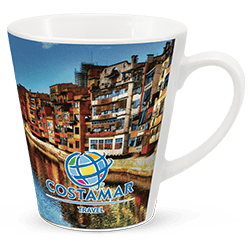
Digital Print

This production method is used for printing media such as paper, vinyl and magnetic material used in the manufacture of labels, badges, and fridge magnets etc. This printing process uses CMYK values.
Advantages
  • Ideal for producing vivid full colour images as well as closely matched spot colour branding.
  • Can print variable data including individual names.
  • Only one set up charge is required regardless of the number of print colours.
  • Can be cut to custom shapes.
  • Edge-to-edge branding can be achieved.
Limitations
  • Metallic and neon/fluorescent colours are not available.
  • White print cannot be produced on clear, silver or gold stock.
Artwork Requirements
  • Artwork can be supplied in either vector or bitmap format.
  • Supplied bitmaps must be higher than 300DPI resolution at the actual print size.
  • A 3mm bleed should be added to the artwork if it bleeds off the product.

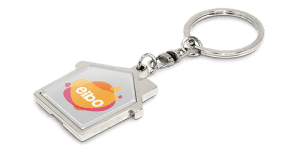
Sublimation Print – Dye Sublimation

Dye sublimation print is used for branding products that have a special coating on them, or fabrics suitable for the sublimation process. A transfer is produced by printing sublimation ink onto transfer paper and then heat pressing it onto the product.
Advantages
  • Sublimation ink is a dye so there is no ink build-up. The finished print is embedded in the product.
  • Ideal for producing vivid full colour images as well as closely matched spot colour branding.
  • Can print variable data including individual names.
  • Edge-to-edge branding can be achieved on some products.
  • Only one set up charge is required regardless of the number of print colours.
Limitations
  • Can only be used on suitable products with white surfaces.
  • Some colours cannot be reproduced including white, metallic, and neon/fluorescent colours.
  • Fine detail/text may experience minor colour bleed across adjacent design elements.
Artwork Requirements
  • Artwork can be supplied in either vector or bitmap format.
  • Supplied bitmaps must be higher than 300DPI resolution at the actual print size.
  • A 3mm bleed must be added to the artwork if it bleeds off the product.

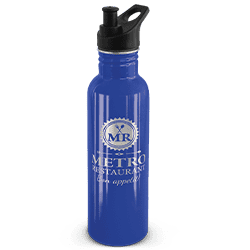
Resin Coated Finish

This CMYK branding process is produced by printing artwork onto a vinyl material with strong adhesive on the reverse. The branded area is then coated with a crystal-clear resin. Once dry, the finished decal is applied to the product and the adhesive forms a permanent bond.
Advantages
  • Ideal for producing vivid full colour images as well as closely matched spot colour branding.
  • Produces a stunning 3D effect that elevates the perceived value of a product.
  • Can print variable data including individual names.
  • Edge-to-edge branding can be achieved on the resin coated area.
  • Only one set up charge is required regardless of the number of print colours.
Limitations
  • Larger print areas can be more expensive.
  • White, metallic gold, silver and neon colours cannot be printed.
  • The resin needs to be cured for one day before shipping the product.
Artwork Requirements
  • Artwork can be supplied in either vector or bitmap format.
  • Supplied bitmaps must be higher than 300DPI resolution at the actual print size.
  • A 3mm bleed must be added to the artwork if it bleeds off the product.

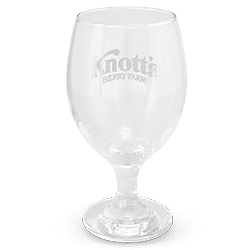
Laser Engraving

Laser engraving is a permanent branding process that engraves artwork into the surface of the product using a laser. Different materials produce different engraving finishes, to avoid uncertainty pre-production samples are recommended.
Advantages
  • Higher perceived value than other forms of branding.
  • The branding becomes part of the surface and is permanent.
  • Large branding areas available on curved products.
  • Can produce variable data such as individual names.
  • The product can be shipped straight away after being engraved.
Limitations
  • Fine detail can be lost on smaller products like pens.
Artwork Requirements
  • Artwork must be supplied in editable vector format.
  • Fonts are advised to be converted to outlines/objects to avoid font conflicts.

Imitation Etch

Imitation etch is a special pad printing ink used for producing an etch-like effect on glass products.
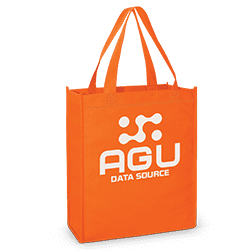
Advantages
  • Much more affordable than real etching.
  • Can brand curved or uneven products.
  • Produces a subtle finish with a higher perceived value that looks like etching.
Limitations
  • Halftones cannot be consistently reproduced.
  • The size of branding areas is limited on curved surfaces.
  • Requires a curing period before the product can be shipped.
  • Unable to print variable data.
Artwork Requirements
  • Artwork must be supplied in a vector editable format.
  • Fonts are advised to be converted to outlines/objects to avoid font conflicts.

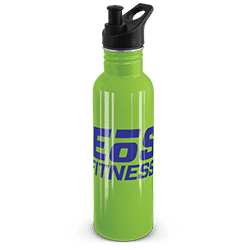
Flatbed Screen Print

Flatbed Screen Printing is achieved by forcing ink through a fine mesh screen with a squeegee onto the product and is ideal for branding flat objects.
Advantages
  • Large print areas are possible on flat products.
  • Close PMS matches are possible on white or light-coloured products.
  • Most screen print inks dry quickly and can be shipped immediately after printing.
  • Fluorescent, metallic gold and silver inks are available on select textile products.
  • Many products can print with tight multi-colour registration, with some products able to be printed using up to five colours.
Limitations
  • Close PMS matches are more difficult on darker products and will only be approximate. In some instances, a white base will create a better print.
  • Unable to print variable data.
  • Each colour requires its own setup charge.
Artwork Requirements
  • Artwork must be supplied in editable vector format.
  • Fonts are advised to be converted to outlines/objects to avoid font conflicts.

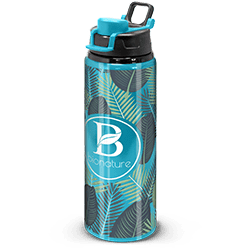
Rotary Screen Print

Rotary Screen Printing is achieved by forcing ink through a fine mesh screen with a squeegee onto the product and is ideal for cylindrical objects.
Advantages
  • Large print areas are possible on cylindrical products.
  • Close PMS matches are possible on white or light-coloured products.
  • Most screen print inks are quick drying and can be shipped immediately after printing.
  • Metallic gold and silver colours are available.
  • Many products can print five colours (including white) with tight multi-colour registration.
Limitations
  • Close PMS matches are more difficult on darker products and will only be approximate. In some instances, a white base will create a better print.
  • Unable to print variable data.
  • Each colour requires its own setup charge.
Artwork Requirements
  • Artwork must be supplied in editable vector format.
  • Fonts are advised to be converted to outlines/objects to avoid font conflicts.

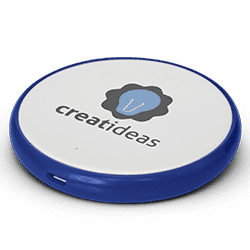
Rotary Digital Print

Direct to product rotary digital printing involves the transfer of UV ink directly from inkjet print heads and can be used to produce detailed artwork using both closely matched spot colours and full colour branding.
Advantages
  • Ideal for large or complex full colour prints.
  • The print is dry and ready to ship as soon as the product is printed.
  • Only one setup charge is required regardless of the number of print colours.
  • No loss of print vibrancy, even on darker products.
Limitations
  • Production speed is limited so lead times can be longer in some cases.
  • Some colours cannot be reproduced including metallic and neon/fluorescent colours.
  • As the print does not wrap completely around the product, there is a small gap between the start and end of the print.
  • More expensive than other branding options.
Artwork Requirements
  • Artwork can be supplied in either vector or bitmap format.
  • Supplied bitmaps must be higher than 300DPI resolution at the actual print size.
  • Fonts are advised to be converted to outlines/objects to avoid font conflicts.

Pad Print

Pad printing uses a silicone pad to transfer an image to a product from a laser etched printing plate. It is one of the most popular and affordable ways of branding promotional products due to its ability to reproduce images on uneven or curved products and print multiple colours in a single pass.
Advantages
  • Ideal for printing on curved or uneven products.
  • Prints sharp, clean images with detail as fine as 0.4mm, minimum text size is 5pt.
  • Close PMS matches are possible on white or light-coloured products.
  • Metallic gold and silver ink are available.
  • Can offer a white under base for the darker products that require it.
  • Many products can print up to 6 colours with tight multi-colour registration.
Limitations
  • Halftones cannot be consistently reproduced.
  • Unable to print variable data such as individual naming.
  • Close PMS matches are more difficult on darker products and will only be approximate. In these instances, a white base will create a better print.
  • Some pad print inks require a curing period before the product can be shipped.
  • Each colour requires its own setup charge.
  • Neon/fluorescent colours are not available.
Artwork Requirements
  • Artwork must be supplied in a vector editable format.
  • Fonts are advised to be converted to outlines/objects to avoid font conflicts.

Cart Items

  • Product Image Product Name Unit Price Quantity total
SubTotal : $
GST : $
Total : $
Checkout Now!